
Insulin-producing Stem Cells Grown in the Lab Mark a New Era in Stem Cell Therapies for Diabetes
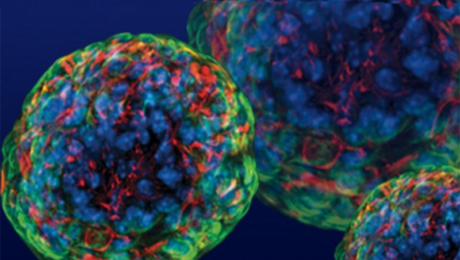
Introduction to Insulin-Producing Pancreatic Beta Cells
A new discovery by researchers on how to activate lab-grown beta cells to mature into functioning cells that produce and release insulin in response to glucose takes a significant step toward a cell therapy treatment for diabetes. Difficulties in manipulating beta cells derived from human stem cells to mature beyond the precursor stage into fully functioning insulin releasers have been an ongoing challenge for researchers.
Breakthrough by Salk Institute Researchers
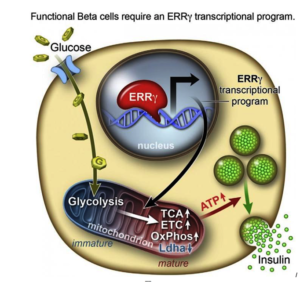
However, researchers from the Salk Institute for Biological Studies and a team of researchers have achieved this goal with lab-grown beta cells by activating a protein called estrogen-related receptor γ (ERRγ). Their study findings were recently published in the journal Cell Metabolism.
The Role of Human Pluripotent Stem Cells (hPSCs)
Ronald Evans, senior author of the study titled, “ERRγ Is Required for the Metabolic Maturation of Therapeutically Functional Glucose-Responsive β Cells,” explains the self-renewing capacity of human pluripotent stem cells (hPSCs) and their ability to differentiate into most cell types—from neurons to skin cells, to muscle cells, and insulin-producing pancreatic beta cells—has inspired many research teams to find ways to make glucose-responsive beta cells in the lab. Evans and his research team discovered the answer to the insulin-releasing cell conundrum, and summed it up thusly: “In a dish, with this one switch, it’s possible to produce a functional human beta cell that’s responding almost as well as the natural thing.”
Challenges in Lab-Grown Pancreatic Beta Cells
Evans, a molecular biologist at the Salk Institute, says that to create the different types of cells in the lab, researchers coax the pluripotent stem cells (hPSCs) down the various branching paths that fetal cells normally travel in order to differentiate into the various cell types. However, he explains there are many developmental points in this process, and in the case of lab-grown pancreatic beta cells, research kept getting stuck at an early stage.
Role of ERRγ in Adult Beta Cells
In order to determine what might trigger the next step in getting the cells to mature, the researchers compared transcriptomes of adult and fetal beta cells. The transcriptome contains, among other things, the full catalog of molecules that switch genes on and off in the genome, which led them to discover that the nuclear receptor protein ERRγ was more abundant in adult beta cells. The team was already familiar with the protein’s role in muscle cells and had studied its ability to enhance endurance running. Evans says that in muscles, the protein promotes greater growth of mitochondria—the power generators inside cells that accelerate the burning of sugars and fats to make energy.
Surprising Findings on Beta Cells
“It was a little bit of a surprise to see that beta cells produce a high level of this regulator,” Evans says. “But beta cells have to release massive amounts of insulin quickly to control sugar levels. It’s a very energy-intensive process.” The research team then decided to run some tests to look more closely at what role ERRγ might play in insulin-producing beta cells.
A New Era in Creating Functional, Insulin-Producing Beta Cells

After they genetically engineered a deficiency of ERRγ in mice, the researchers found the animals’ beta cells did not produce insulin in response to spikes in blood sugar. Next, they tried to get beta cells made from hPSCs to produce more ERRγ, and it worked! The cells in culture began to respond to glucose and release insulin. Finally, the team transplanted the lab-grown insulin-producing beta cells into diabetic mice and found that from day one, the cells produced insulin in response to glucose spikes in the animals’ blood.
Future Implications and Research
Evans and the research team were justifiably excited by the results. It appears that just switching on the ERRγ protein is sufficient to get the lab-grown beta cells to mature and produce insulin in response to glucose – both in cultures and in live animals. Speculating on the implications of their findings, Evans suggests that when a fetus is developing, because it gets a steady supply of glucose from the mother, it does not need to produce insulin to regulate its blood sugar, so the switch is inactive. But, when the baby is born and takes its first breath and takes in oxygen, this activates the switch. Previous lab attempts to produce beta cells got stuck at the fetal stage. The Salk Institute researchers discovered how to take it to the adult stage, using the same protein that is switched on in nature.
Conclusion
“I believe this work transitions us to a new era in creating functional beta cells at will,” Evans says. He and his research team now plan to examine how the switch might work in more complex models of diabetes treatments. The Salk Institute study precedes another study reported by Medical News Today in which researchers generated mini-stomachs that produce insulin when transplanted into mice.
- Published in Corporate News / Blog
Amazing Stem Cell Research Breakthroughs You Never Heard of
Introduction to Skin Stem Cell Research
Stem cell research has uncovered numerous groundbreaking discoveries over the years, many of which remain relatively unknown. This article highlights one such discovery related to skin stem cells and their critical role in regeneration and maintenance.
Discovery of Dnmt3a and Dnmt3b Proteins
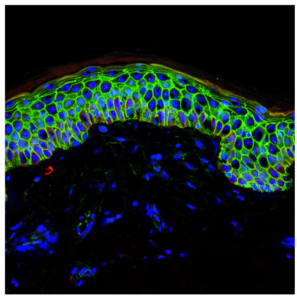
In a significant 2008 study published in “Cell Stem Cell,” researchers from the Catalan Institution for Research and Advanced Studies (CREA) identified two proteins—Dnmt3a and Dnmt3b—that play a crucial role in maintaining skin stem cells. Led by Salvador Aznar Benitah at the Institute for Research in Biomedicine (IRB Barcelona), the study revealed that these proteins are essential for the activation and preservation of skin stem cells.
Function of Dnmt3a and Dnmt3b in Skin Stem Cells

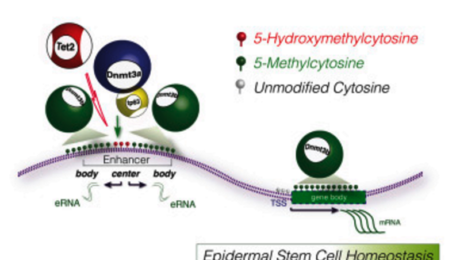
According to Benitah, head of the Stem Cells and Cancer lab at IRB Barcelona, without Dnmt3a and Dnmt3b, skin stem cells fail to activate and eventually diminish within the tissue. The proteins operate primarily on gene enhancers and super-enhancers, facilitating the expression of approximately 1,000 genes critical for the self-renewal of skin stem cells.
Genomic Insights and Mechanisms
Lorenzo Rinaldi, a researcher involved in the study, utilized advanced sequencing techniques to map the genomic distribution of Dnmt3a and Dnmt3b. This revealed their unexpected role in enhancing gene expression through DNA methylation, contrary to their previously known function in gene repression.
Link to Cancer Research
The study also highlighted implications for cancer research, noting that Dnmt3a and Dnmt3b are altered in various types of tumors, including leukemia, lung cancer, and colon cancer. The proteins’ role in DNA methylation and gene regulation suggests potential contributions to tumor development, warranting further investigation in cancer cell models.
Funding and Support
Funded by the Spanish Ministry of Economy and Competitiveness and supported by several foundations and councils, including The European Council for Research (ERC) and the Fundació Marató de TV3, Benitah’s research underscores the importance of public and private partnerships in advancing stem cell and cancer research.
Conclusion
This study represents a significant advancement in understanding the molecular mechanisms governing skin stem cell maintenance and its implications for both regenerative medicine and cancer biology. Continued research into Dnmt3a and Dnmt3b promises to unveil new therapeutic strategies and insights into cellular regeneration and disease progression.
- Published in Corporate News / Blog
New Guidelines for Stem Cell Research and Therapies Aim to Protect Patients from Charlatan Quackery
Introduction
Stem cell research has advanced significantly, leading to a myriad of treatment options. However, the field faces challenges from unscrupulous providers and premature publicity.
Professional Guidelines for Responsible Stem Cell Research
International Society for Stem Cell Research (ISSCR)
The ISSCR leads in setting high standards for translational stem cell research:
- Emphasizes rigorous preclinical evidence and peer review.
- Highlights the importance of IRB review and comprehensive informed consent.
International Society for Cellular Therapy (ISCT)
The ISCT expands its scope beyond stem cells, advocating for broader cell-based interventions:
- Focuses on defining scientific evidence and regulatory practices.
- Addresses implications across clinical practice and commercialization.
Development of New Guidelines
Terminology and Scientific Evidence
Efforts are underway to standardize terminology and define scientific evidence levels critical for ethical and effective stem cell therapy.
ISSCR’s 2016 Guidelines Update
In 2016, ISSCR updated guidelines cover:
- Emerging technologies like gene editing and induced pluripotent stem cells (iPSCs).
- Upholding ethical standards such as the “14-day rule” for embryo experimentation.
Key Topics Addressed in the Revised Guidelines
The updated guidelines include:
- Oversight processes for embryo research and mitochondrial replacement therapy.
- Standards for preclinical and clinical research, emphasizing safety and efficacy.
Advancements in Stem Cell Research
Stem cell therapies show promise in treating a range of conditions, leveraging pluripotent stem cells for tissue repair and genetic disease treatments.
Conclusion
Stem cell research continues to evolve responsibly, offering hope for future medical advancements while safeguarding patient interests against fraudulent practices.
- Published in Corporate News / Blog
Researchers Move Closer to Lung Stem Cell Therapies to Treat Chronic Lung Diseases

Introduction
Chronic lung diseases, including COPD, bronchitis, emphysema, and asthma, are significant causes of mortality in the U.S., highlighting the urgent need for advanced treatments.
Stem Cells in the Lung
Types and Functions of Lung Stem Cells
Human lungs are complex organs comprising:
- Conducting Airway Tubes: Includes trachea, bronchi, and bronchioles.
- Gas Exchange Regions: Alveolar spaces crucial for oxygen exchange.
Role of Progenitor Cells
Progenitor cells like tracheal basal cells and alveolar type 2 cells play a vital role in maintaining lung health by replacing old or damaged cells.
Diversity of Lung Stem Cells
Embryonic and adult lung stem cells contribute differently:
- Research indicates their role in lung development and regeneration, with potential implications for disease treatment.
Current Research on Lung Stem Cell Therapies
Adult Mesenchymal Stem Cells (hMSCs)
hMSCs are pivotal in:
- Immunomodulation: Regulating immune functions and secreting bioactive molecules for anti-inflammatory and regenerative effects.
- Versatility: Capable of generating various cell types, potentially aiding in lung tissue repair.
Insights into Lung Disease Causes
Understanding lung stem cell biology enhances knowledge of disease mechanisms like COPD, paving the way for innovative treatments.
Future Prospects of Lung Stem Cell Therapies
Translational Research and Clinical Applications
Ongoing studies aim to:
- Identify and characterize lung stem cells in humans, advancing potential clinical applications.
- Explore personalized medicine approaches using lung stem cells for targeted therapies.
Conclusion
Progress in lung stem cell research holds promise for developing effective therapies to combat chronic lung diseases, offering hope for improved patient outcomes and quality of life.
- Published in Corporate News / Blog
The History of Research on Adult Stem Cells: We’ve Come a Long Way
Introduction to Adult Stem Cells
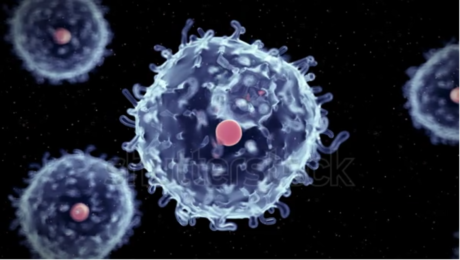
Adult stem cells, also known as somatic stem cells, are undifferentiated cells found among differentiated cells in tissues or organs. They play a crucial role in tissue maintenance and repair.
Types and Functions of Adult Stem Cells
Bone Marrow Stem Cells
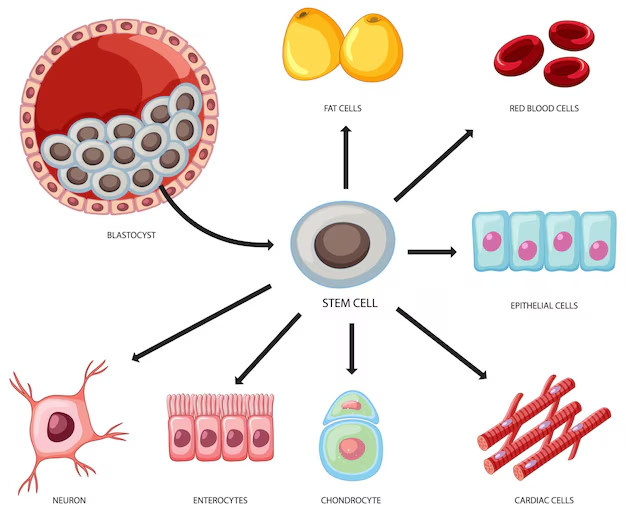
- Hematopoietic Stem Cells: Responsible for forming all blood cell types.
- Mesenchymal Stem Cells: Can differentiate into bone, cartilage, fat cells, and support blood formation.
Brain and Heart Stem Cells
Recent discoveries have identified stem cells in unexpected locations like the brain and heart, challenging previous beliefs and expanding potential applications in transplantation therapies.
Historical Development of Adult Stem Cell Research
Early Discoveries
In the 1950s, researchers identified hematopoietic stem cells in bone marrow, marking the beginning of significant research into adult stem cells.
Advances Over Decades
- 1960s: Discovery of neural stem cells in the brain.
- 1990s: Confirmation of adult brain’s capability to generate neurons and other cell types.
Distribution of Adult Stem Cells in the Body
Adult stem cells are found in various organs and tissues, residing in specific niches critical for their function and activation in response to tissue repair needs or disease.
Methods to Identify Adult Stem Cells
Scientists employ several techniques:
- Labeling and Differentiation: Using molecular markers to track specialized cell types generated.
- Transplantation Studies: Removing and labeling cells, then transplanting them to observe tissue repopulation.
Future Directions in Adult Stem Cell Research
Ongoing research aims to:
- Further characterize and manipulate adult stem cells for therapeutic purposes.
- Explore personalized medicine applications using stem cell technologies.
Conclusion
The study of adult stem cells has evolved significantly, offering promising avenues for understanding and treating various diseases. Continued research holds potential for transformative advancements in regenerative medicine.
- Published in Corporate News / Blog
How Clinical Trials on Stem Cell Therapies Work, and Where to Find Them
Introduction to Stem Cell Clinical Trials
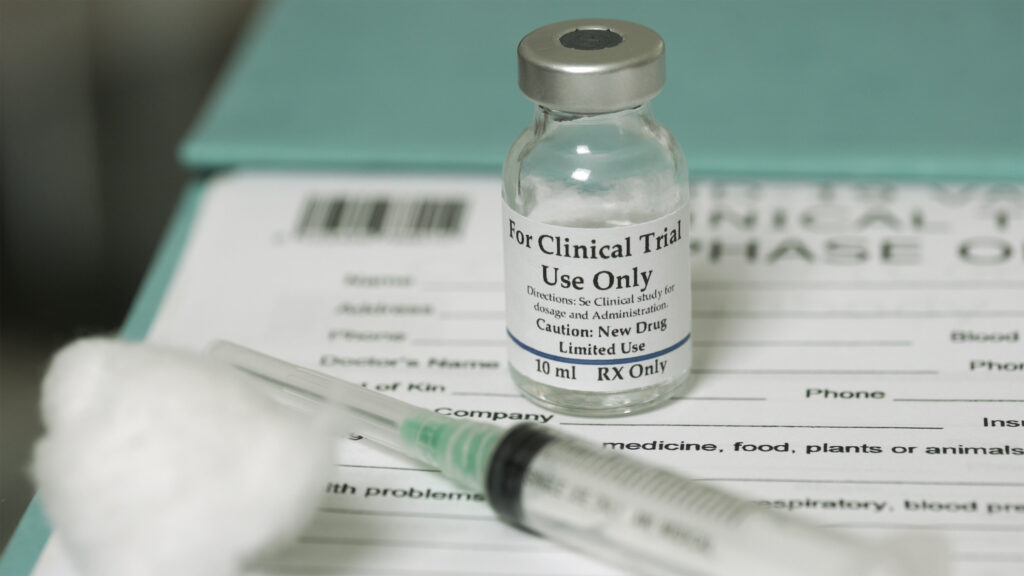
Stem cell clinical trials play a crucial role in evaluating the safety and efficacy of new treatments. Accessing information about these trials is facilitated through dedicated registries like ClinicalTrials.gov and the WHO International Clinical Trial Registry Platform.
Key Resources for Stem Cell Clinical Trials
ClinicalTrials.gov
- Purpose and History: Established under the FDA Modernization Act to provide comprehensive information on clinical studies.
- Accessibility: Offers updated information directly from study sponsors or principal investigators.
WHO International Clinical Trial Registry Platform
- Supplementary Information: Provides additional details complementing ClinicalTrials.gov, enhancing accessibility and usability for researchers and participants.
Geographic Distribution and Focus Areas of Stem Cell Trials
- Location Trends: Predominantly conducted in the U.S. followed by Europe, as evidenced by data from ClinicalTrials.gov.
Phases of Clinical Trials
Global Distribution
Overview of Trial Phases
- Phase 0 to Phase IV: Sequential stages from initial safety assessments to post-marketing studies, each serving distinct purposes in drug development and evaluation.
Types of Stem Cell Clinical Trials
Interventional Studies
- Purpose: Volunteers are assigned interventions to evaluate biomedical or health outcomes based on specific protocols.
- Inclusion of Observational Studies: Descriptions of observational studies and expanded access programs for investigational drugs are also included.
Funding Sources for Stem Cell Trials
Analysis of Funding
- Primary Funders: Includes the National Institutes of Health (NIH), other federal agencies, industry partners, and diverse entities such as universities and community-based organizations.
- Impact of Funding: Highlights the diversity of financial support influencing stem cell research outcomes and accessibility.
Conclusion
Understanding the structure and resources of stem cell clinical trials is crucial for both researchers and participants seeking innovative treatments. Access to comprehensive trial information supports informed decision-making and advances in medical research.
- Published in Corporate News / Blog
Stem Cell Research and Stem Cell Therapy: When can stem cells be used to treat patients?
Understanding Stem Cell Research
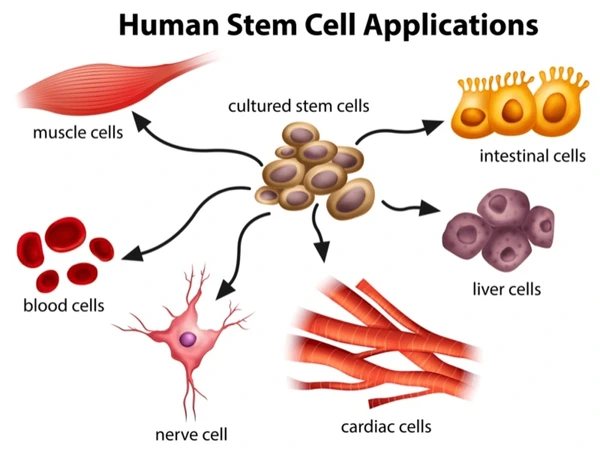
Stem cells possess the unique ability to differentiate into various specialized cell types in the body, making them invaluable for regenerative medicine. They play a crucial role in replenishing damaged tissues throughout an individual’s life.
Types of Stem Cells in Research
- Embryonic Stem Cells: Derived from the inner cells of a blastocyst, these cells have the potential to form any type of cell in the body.
- Adult Stem Cells: Found in various tissues, these cells contribute to tissue repair and maintenance.
- Induced Pluripotent Stem Cells (iPSCs): Reprogrammed from adult cells to exhibit embryonic-like properties, offering new avenues for research and therapy.
Applications of Stem Cells in Disease Treatment
Stem cell research holds promise for treating a wide array of diseases, including diabetes and heart disease, by harnessing their regenerative capabilities.
Challenges and Research Advances
- Laboratory Studies: Used to understand fundamental properties and differentiation mechanisms of stem cells.
- Drug Screening: Stem cells serve as models to test new drugs and study normal growth processes and disease mechanisms.
Ethical Considerations and Guidelines
The Declaration of Helsinki guides ethical practices in stem cell research involving human subjects, emphasizing informed consent and the need for ongoing evaluation of experimental interventions.
Clinical Translation of Stem Cell Therapies
- Regulatory Framework: Clinical trials are essential to evaluate the safety and efficacy of stem cell-based treatments.
- Phases of Clinical Trials: From initial safety assessments (Phase 0) to post-marketing studies (Phase IV), each phase plays a crucial role in determining treatment viability.
Future Directions in Stem Cell Research
Continued advancements in stem cell research are expected to expand our understanding of cellular regeneration and pave the way for innovative therapies.
- Published in Corporate News / Blog
Gordie Howe’s Stem Cells Treatments Support a Growing Appeal for These Therapies Among Athletes and Baby Boomers

The Story of Gordie Howe’s Stem Cell Treatment
In October 2014, Gordie Howe, the legendary hockey player, faced a life-threatening stroke that left him severely debilitated. Despite medical efforts, including an experimental stem cell treatment in Mexico, his condition continued to deteriorate. However, after receiving neural and mesenchymal stem cells, Howe showed remarkable signs of improvement, including regaining mobility and cognitive function.
The Impact of Stem Cell Therapy on Gordie Howe’s Recovery
- Experimental Treatment: Howe’s treatment involved injecting neural and mesenchymal stem cells into his spinal canal, aiming for brain repair and anti-inflammatory benefits.
- Recovery Milestones: Within hours of the procedure, Howe exhibited unexpected improvements, such as walking unaided for the first time since his stroke.
Stem Cell Therapy: Appeal Among Athletes and Baby Boomers
Athletes’ Interest in Stem Cell Therapy
Athletes, prone to injuries and degenerative conditions, increasingly turn to stem cell therapy for its potential regenerative properties. Icons like Bart Starr and John Brodie have also pursued such treatments.
Growing Popularity Among Baby Boomers
The aging population, particularly baby boomers, seeks stem cell therapies to address age-related ailments such as joint degeneration and chronic conditions.
Controversies and Regulatory Challenges
Despite its appeal, stem cell therapy faces scrutiny due to regulatory issues and varying international standards. The FDA is developing guidelines to regulate these treatments, distinguishing between approved clinical trials and unauthorized clinics.
Regulatory Landscape and FDA Guidelines
- Current FDA Oversight: Most stem cell therapies require FDA approval, with exceptions for minimally manipulated cells.
- Unauthorized Clinics: Concerns persist over unauthorized stem cell clinics operating outside regulatory frameworks.
Future Directions and Considerations
As research and public interest in stem cell therapy continue to grow, ongoing debates over efficacy, safety, and regulatory oversight shape its future in medical practice.
- Published in Corporate News / Blog
Stem Cell Researchers Discover Stem Cells That Might Repair Skull, Face Bones

Breakthrough in Stem Cell Research for Bone Repair
Scientists have made significant progress in using stem cells to potentially replace damaged skull and facial bones, crucial for patients recovering from head trauma or undergoing reconstructive surgery after cancer treatments.
Discovery of Skull and Facial Bone Repair Capabilities
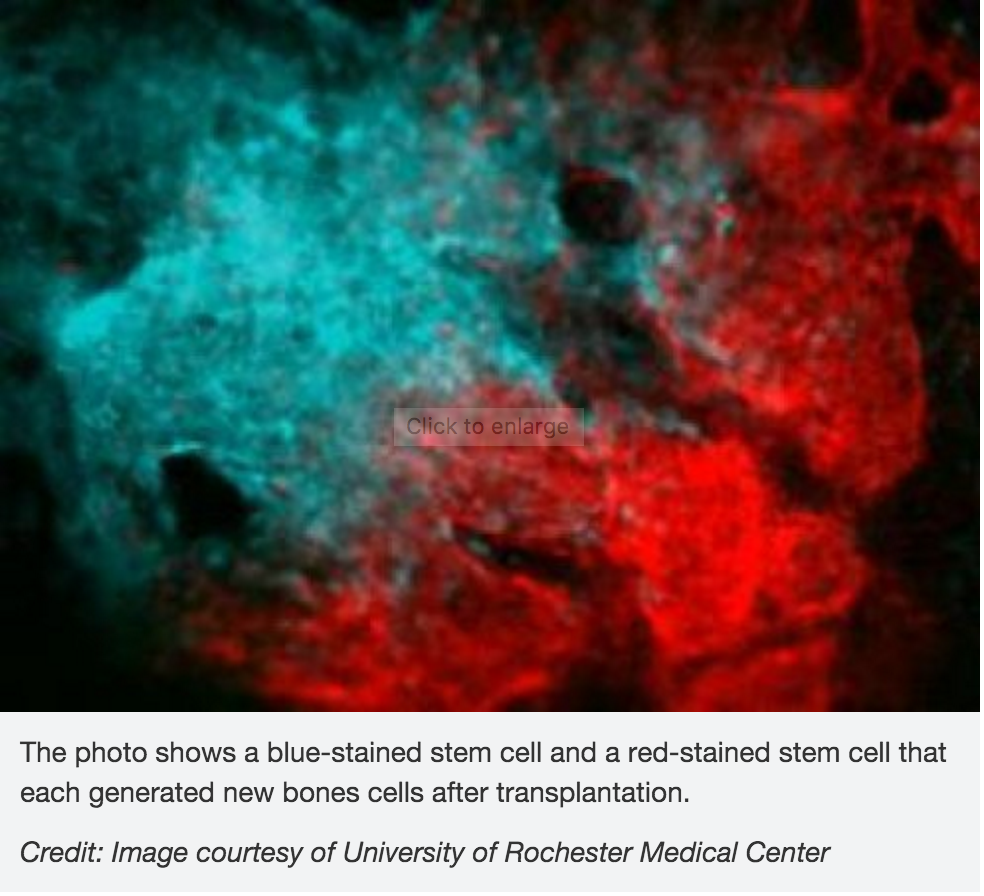
Researchers at the University of Rochester Medical Center, led by Takamitsu Maruyama, have identified and isolated stem cells with the ability to regenerate these specific bones in mice. This breakthrough offers hope for treating conditions like craniosynostosis, a congenital skull deformity that impacts brain development.
Insights from Bone Formation and Regeneration Studies
The study focused on the role of the Axin2 gene in bone formation, crucial for understanding how these stem cells contribute to bone repair. The research also explored mutations linked to craniosynostosis in mice, revealing distinct populations of stem cells unique to skull bones.
Potential Applications in Bone Disease Detection
Beyond repair, identifying these specialized stem cells could aid in diagnosing bone diseases associated with stem cell abnormalities, offering new insights for medical professionals.
Publication and Impact
Published in Nature Communications on February 1, this research marks a significant advancement in bone regeneration therapies, paving the way for future clinical applications and further studies in human subjects.
- Published in Corporate News / Blog
German Stem Cell Scientists Develop 3-D “Mini-retinas” –New Hope for Restoring Sight in Patients with Retinal Degeneration Caused by Diabetes and Inherited Disorders.

Breakthrough in Retinal Regeneration Using 3D Organoids
Protocol for 3D Mini-retinas

German researchers have achieved a significant breakthrough in stem cell technology focused on restoring sight through the development of 3D retina organoids. Published in Stem Cell Reports in March, this study leverages the self-organizing properties of stem cells to create complex, multi-cellular tissue structures.
The innovative protocol involves dividing organoids grown from stem cells into three half-moon shaped pieces during early eye development. This technique facilitates the growth of fully functional retinal cells within each segment, including cone photoreceptors crucial for high acuity and color vision. These advancements are particularly promising for patients suffering from retinal degenerative disorders caused by diabetes and inherited conditions.
Advantages of 3D Retinal Organoids
The development process not only enhances the production yield of retinal organoids by up to four times compared to previous methods but also allows for the formation of more realistic tissue structures resembling natural retinal tissue during development.
Applications in Retinal Disease Research
According to senior author Mike Karl from the German Center for Neurodegenerative Diseases (DZNE) and the Center for Regenerative Therapies (CRTD) at Technische Universität Dresden, the versatility of 3D mini-retinas extends beyond replication of retinal tissue. It offers diverse opportunities for studying retinal diseases and potential therapeutic interventions.
Future Directions in Organoid Research
Karl’s team aims to enhance the complexity of mini-retinas by incorporating blood vessels and studying the regeneration capabilities and neural cell functions specific to the human retina. This approach not only furthers understanding of retinal diseases but also holds promise for developing personalized treatments.
Insights and Comparative Studies
Comparative studies between human pluripotent stem cell-derived retina organoids and in vivo mouse retina underscore the potential of this novel organoid protocol to model retinal diseases effectively.
- Published in Corporate News / Blog
