
Stem Cell Treatments Normally Used for Cancer Patients are Helping Multiple Sclerosis Patients
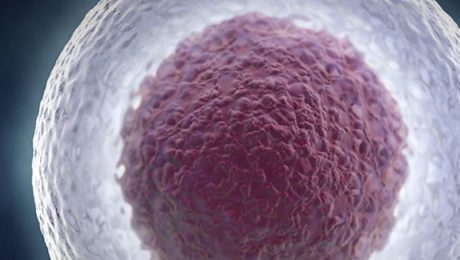
Overview of Stem Cell Transplant for MS Patients
Recent reports from the British Broadcasting Corporation (BBC) highlight the transformative effects of stem cell transplant treatments originally used for cancer patients on individuals suffering from Multiple Sclerosis (MS) in the UK. According to a January 18, 2016 report, this innovative approach has shown promising results in restoring mobility and reversing disability in MS patients.
Autologous Hematopoietic Stem Cell Transplantation (HSCT)
The treatment, known as autologous hematopoietic stem cell transplantation (HSCT), involves the infusion of the patient’s own stem cells harvested from bone marrow. This procedure aims to rebuild the immune system, potentially resetting it to a state before it caused MS-related damage.
Testimonials and Clinical Results
Professors Basil Sharrack and John Snowden from Sheffield’s Royal Hallamshire Hospital emphasize the profound impact of HSCT on MS patients. Patients like Steven Storey, who experienced significant disability progression prior to treatment, have reported remarkable improvements in mobility and quality of life post-transplant.
Steven Storey’s Journey
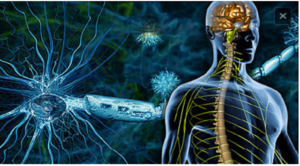
Steven Storey, diagnosed with MS in 2013, transitioned from being an athlete to wheelchair-bound within a year. Following HSCT, he regained movement in his toes within days and achieved unaided standing after four months. While still using a wheelchair, Storey’s progress is described as astounding, allowing him to swim, cycle, and aspire to walk again.
The MIST International Clinical Trial
The Royal Hallamshire Hospital, alongside institutions in the US, Sweden, and Brazil, participates in the MIST trial. This international study evaluates the long-term benefits of HSCT on patients with relapsing-remitting MS (RRMS), aiming to establish its efficacy as a standard treatment option.
Future Prospects and Research
Prof Richard Burt of Northwestern University leads the MIST trial, pioneering HSCT for MS treatment since 1995. Despite challenges from the pharmaceutical and academic sectors, early studies have shown promising neurological disability reductions, with ongoing research poised to validate these findings further.
Conclusion and Outlook
As ongoing research continues to validate the potential of HSCT in treating MS, stakeholders like Emma Gray, M.D., head of clinical trials at the UK’s MS Society, emphasize its life-changing impacts highlighted by real patient experiences. The outcomes from the MIST trial, expected in 2018, could potentially integrate HSCT into the standard healthcare protocols for MS patients in the UK.
- Published in Corporate News / Blog
Our Friend MSCs (Mesenchymal Stem Cells)—Bringing New Life to Old Bones
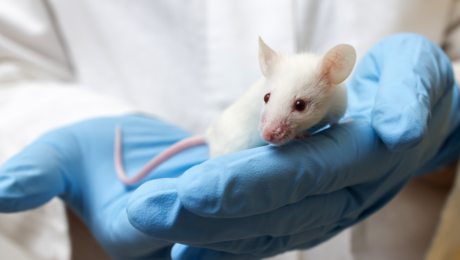
Understanding MSCs and Their Role in Osteoporosis Treatment
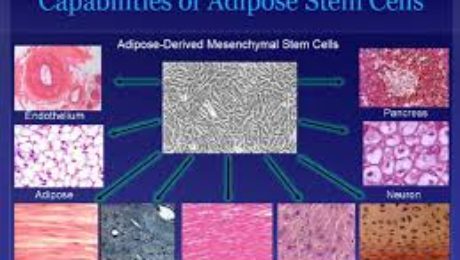
Researchers from the University of Toronto and The Ottawa Hospital have explored the potential of mesenchymal stem cells (MSCs) in treating osteoporosis. MSCs are versatile stromal cells capable of differentiating into bone cells (osteoblasts), cartilage cells (chondrocytes), muscle cells (myocytes), and fat cells (adipocytes).
Research Insights: MSCs Reverse Osteoporosis in Mice
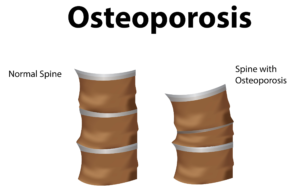
In a groundbreaking study published in Stem Cells Translational Medicine, researchers injected healthy MSCs into mice with osteoporosis. Over six months—a significant period in a mouse’s lifespan—the damaged, brittle bones of the mice were replaced with healthy bone tissue. This restoration underscores the regenerative potential of MSCs in treating bone disorders.
Clinical Applications and Future Directions
This discovery raises hopes for new osteoporosis treatments in humans. Early trials involving elderly patients in the US have shown promising results, with ongoing studies assessing improvements in bone health through biological markers in blood samples.
The Global Impact of Osteoporosis
Globally, over 200 million people suffer from postmenopausal or age-related osteoporosis, leading to approximately 8.9 million bone fractures annually. Current treatments, like Teriparatide, offer temporary relief, highlighting the urgent need for more effective, long-term solutions.
Key Researchers and Publications
Dr. William Stanford, senior scientist at The Ottawa Hospital Research Institute and professor at the University of Ottawa, led the study linking MSC defects to age-related osteoporosis in mice. Co-author Dr. John E. Davies, professor at the University of Toronto, contributed to the study’s publication in Stem Cells Translational Medicine on March 17, 2016.
- Published in Corporate News / Blog
Stem cells and Platelet Rich Plasma Therapies Look Promising for Treating a Variety of sports-related injuries

Advancements in Stem Cell Therapies for Sports Injuries
Stem cell therapies have garnered significant attention among researchers aiming to leverage these cells’ regenerative properties for treating sports injuries. Stem cells, naturally occurring in the body, facilitate inflammation modification and promote healing of damaged tissues.
Mayo Clinic’s Approach with PRP for Injured Athletes
Researchers at the Mayo Clinic, Rochester, Minnesota, are pioneering treatments that combine stem cells with platelet-rich plasma (PRP). PRP, derived from the patient’s own blood, concentrates platelets to stimulate healing and reduce inflammation at the injury site. This personalized approach tailors PRP preparations to meet individual patient needs.
Utilizing Bone Marrow Stem Cells for Enhanced Healing
Mayo Clinic researchers harvest stem cells from the patient’s bone marrow, which contains potent therapeutic cells. After concentration to eliminate unwanted components, these stem cells are reintroduced into the injured area. This method harnesses stem cells’ ability to regenerate tissues, thereby accelerating the healing process for sports injuries.
Innovations by Joseph Purita, M.D., in Orthopedic Stem Cell Therapies
Joseph Purita, M.D., an esteemed osteopathic surgeon associated with Global Stem Cells, has pioneered the use of stem cells and PRP to treat professional athletes. His groundbreaking treatments have spotlighted orthopedic stem cell therapies globally, emphasizing their efficacy in sports injury rehabilitation.
Stem Cell Treatments Targeting Muscle Repair
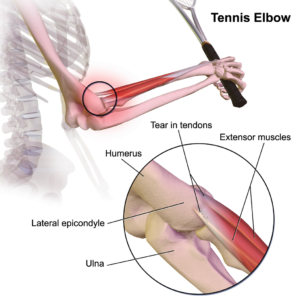
Muscle injuries, prevalent in sports, often involve damage to myoblasts—embryonic cells responsible for muscle fiber repair. Researchers are exploring how stem cells, particularly mesenchymal stem cells (MSCs), can enhance muscle tissue regeneration. MSCs, isolated from various patient tissues including fat, produce proteins that promote healing and tissue-specific stem cell activation.
Future Directions in Sports Injury Therapies
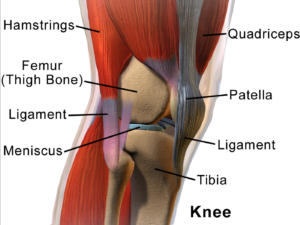
Ongoing research aims to optimize stem cell and PRP therapies for broader applications in sports medicine. Discoveries such as enhancing muscle tissue repair through rejuvenating older satellite cells highlight potential future treatments.
- Published in Corporate News / Blog
Stem Cells are Gaining Momentum Among Smart Investors
The Rise of Stem Cell and Regenerative Medicine Investments
Stem cell and regenerative medicine companies are capturing the attention of serious investors who are closely monitoring advancements in biotechnology and the rapid integration of these technologies into clinical settings worldwide.
Demand for Stem Cell Therapies and Medical Tourism Trends
Healthcare consumers increasingly seek alternatives to invasive and costly conventional treatments offered by Western medicine and pharmaceuticals. Stem cell therapies have met this demand, prompting patients from the US and Europe to seek treatments abroad due to regulatory constraints at home. This has fueled the growth of medical tourism and direct marketing of regenerative medicine therapies.
Global Expansion and Investment in Regenerative Medicine
Stem cell companies are expanding globally, driven by escalating patient demand and a surge in positive clinical trials and media coverage. Despite regulatory challenges, these companies are reshaping modern medicine, attracting capital from investors who foresee the transformative potential of stem cell research and therapies.
Strategic Investments and Market Growth
Investment in gene therapies, genetically modified cell therapies, and regenerative medicine has seen exponential growth, with substantial contributions from venture capital, public equity markets, and partnerships with pharmaceutical and biotechnology giants. This influx of capital underscores the expanding maturity and potential of these technologies in healthcare.
Future Outlook and Milestones in Regenerative Therapies
The forecast for regenerative medicine includes significant upcoming milestones in clinical data, FDA approvals, and biologics licensing applications (BLAs). Investors are recognizing the pivotal role of cell therapies in revolutionizing healthcare, akin to the impact of groundbreaking scientists in previous medical eras.
Conclusion
Investors are poised to support the future leaders in regenerative medicine, paralleling the rise of tech giants like Apple and Microsoft in their early stages. The value of cellular therapies extends beyond patient outcomes to potential cost savings and transformative shifts in healthcare delivery.
- Published in Corporate News / Blog
Demand for Physicians Who Provide Stem Cell Therapies is Growing
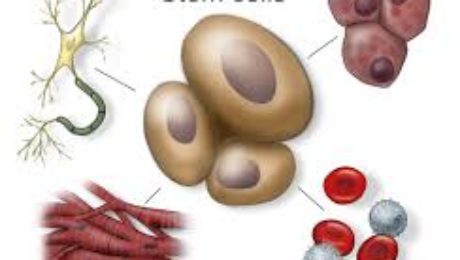
The Shift Towards Stem Cell Therapies
There is a rising global movement among patients with degenerative diseases and orthopedic conditions seeking alternatives to conventional treatments through stem cell therapies. Frustrated by invasive surgeries, destructive procedures, and pharmaceutical side effects, more patients are turning to the promising field of regenerative medicine.
Global Stem Cells Group’s Leadership in Stem Cell Treatments
Global Stem Cells Group (GSCG) leads in stem cell research, training, and patient services worldwide. Despite regulatory challenges, GSCG provides stem cell treatments internationally, addressing the increasing demand for innovative medical solutions.
Focus on COPD Treatment with Stem Cells
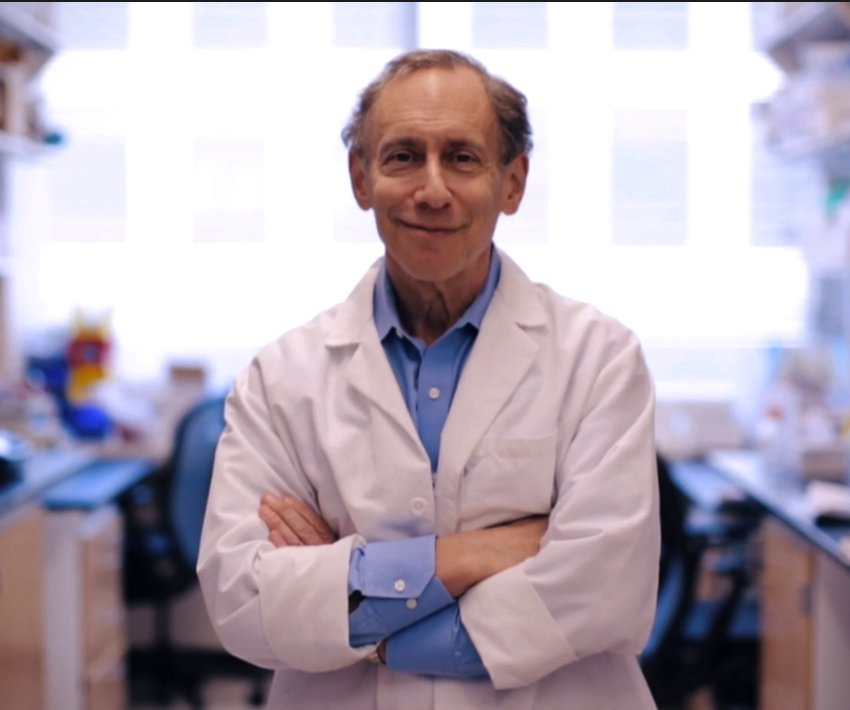
GSCG’s research includes pioneering stem cell treatments for COPD, a chronic respiratory disease affecting millions globally. Studies using adipose-derived stem cells have shown promising results in improving patients’ quality of life and respiratory functions.
Innovative Approaches to Congestive Heart Failure
In treating congestive heart failure, GSCG employs adipose-derived stem cells to enhance blood flow and rejuvenate damaged heart tissue. Initial results indicate significant improvements in exercise capacity and overall cardiac function post-treatment.
Advancements in Critical Limb Ischemia
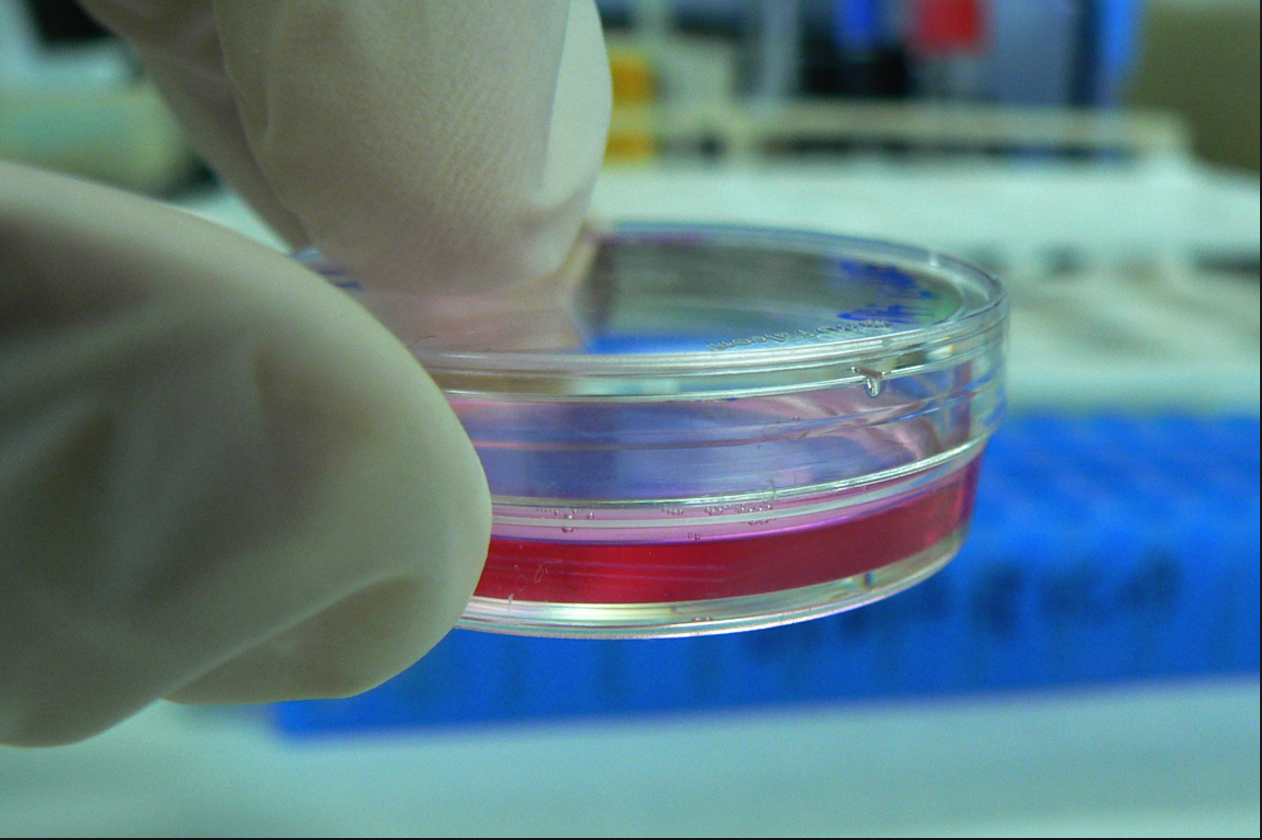
GSCG’s groundbreaking trial for critical limb ischemia, targeting diabetic patients with non-healing wounds, demonstrated a remarkable 75% success rate in preventing amputations. Stem cell therapies promote angiogenesis and tissue regeneration, offering hope for severe vascular conditions.
Case Study: Healing Non-Healing Wounds
A compelling case at the Regenerative Medicine Institute highlighted successful treatment of a non-healing leg ulcer with adipose stem cells, avoiding amputation and restoring normal blood flow—a testament to the potential of stem cell therapies in complex medical cases.
The Role of Physicians in Regenerative Medicine
Physicians equipped with stem cell certification can significantly impact patient outcomes and practice revenue. Regenerative medicine is reshaping healthcare delivery by offering natural, minimally invasive treatments with fewer side effects than traditional pharmaceuticals.
- Published in Corporate News / Blog
Could stem cells repair the damaged brain in Alzheimer’s?
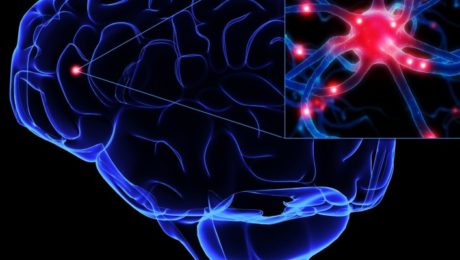
Stem Cell Therapies: A Potential Cure for Alzheimer’s?
Understanding Alzheimer’s Disease

Alzheimer’s disease is a progressive and irreversible brain disorder characterized by symptoms such as disorientation regarding time and place, changes in mood, personality and behavior, memory loss, difficulty solving problems or planning, and difficulty writing or performing other routine tasks. This condition primarily affects people aged 70 years and above, with a higher prevalence in women. It is the main risk factor for dementia among the elderly.
Limitations of Conventional Treatments
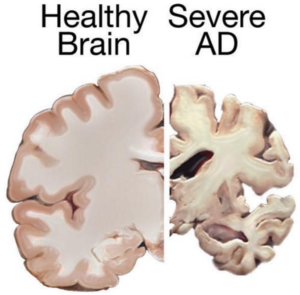
Currently, there is no known cure for Alzheimer’s. Conventional treatments, including both drug-based and non-drug strategies, may help with cognitive and behavioral symptoms but have little to no effect on the disease’s long-term progression. Medications available today cannot stop Alzheimer’s from progressing; they can only temporarily lessen symptoms like confusion and memory loss.
Exploring Stem Cell Therapies
Due to the limitations of conventional treatments, scientists are exploring the possibilities of stem cell therapies in Alzheimer’s treatments. Stem cells have the potential to develop new neurons, replace dead and damaged cells, and deliver neurotrophins to support neuron growth and survival.
Challenges in Developing Stem Cell Therapies
- Transplanting Neural Stem Cells:
- Theoretically, transplanting neural stem cells into the patient’s brain could generate healthy new neurons. However, it remains unclear whether the brain would integrate the transplanted cells effectively and if they could travel to the damaged areas.
- Producing the different types of neurons needed to replace the damaged cells and stimulating the renewal of lost connections between neural cells pose significant challenges.
- Delivering Neurotrophins:
- Neurotrophin proteins support neuron growth and survival, but Alzheimer’s patients produce insufficient amounts. Neural stem cells can produce these proteins, and studies in mice have shown some improvements in memory when treated with stem cells.
- Mesenchymal Stem Cells:
- Mesenchymal stem cells may exert anti-inflammatory effects and help ameliorate Alzheimer’s symptoms. However, there is currently no study proving their safety or effectiveness for this condition.
Research and Studies
Despite the high failure rate of clinical trials and studies on Alzheimer’s treatment, stem cells may still be valuable for studying the behavior of brain cells damaged by the condition. They can also be used for testing various therapeutic approaches and predicting which treatments might help Alzheimer’s patients.
- Induced Pluripotent Stem Cells (iPSC):
- Researchers from the Harvard Stem Cells Institute reprogrammed skin cells from Alzheimer’s patients to create iPSCs. These cells, grown in lab conditions, released the same proteins that form plaques in Alzheimer’s patients. This advancement allows scientists to study Alzheimer’s-affected cells and test new remedies.
- Neuronal Cell Conversion:
- Asian scientists turned human fibroblasts into neuronal cells using a chemical cocktail of small molecules. These findings provide an alternative strategy for modeling neurodegenerative disorders and may play a crucial role in identifying new stem cell-based treatments.
Conclusion
Stem cell therapies hold promise for developing new treatments for Alzheimer’s disease. While many challenges and uncertainties remain, ongoing research offers hope for understanding and potentially curing this debilitating condition.
References
- Published in Corporate News / Blog
New Stem Cell Research Shows Promising Results for Muscular Dystrophy

Understanding Muscular Dystrophy
Muscular dystrophy (MD) encompasses a group of genetic disorders that cause progressive muscle weakness and loss of muscle mass. These disorders, affecting primarily skeletal muscles, can also impact respiratory and swallowing muscles, leading to severe disability over time.
Types and Impact of Muscular Dystrophy
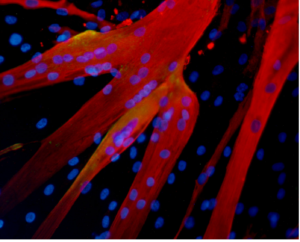
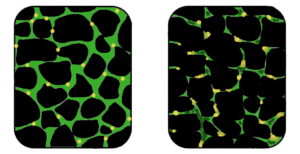
There are various types of muscular dystrophy, with Duchenne muscular dystrophy (DMD) being the most severe and common form, primarily affecting young boys. DMD is characterized by a genetic mutation that prevents the production of dystrophin, a crucial protein for muscle function. This deficiency leads to progressive muscle degeneration, loss of mobility, and, in many cases, premature death.
Current Treatments and Limitations
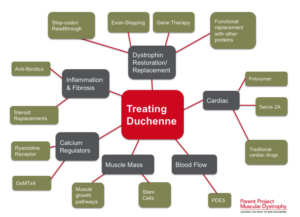
Currently, there is no cure for DMD. Treatment focuses on managing symptoms and slowing disease progression through therapies like physiotherapy and steroids. However, these treatments have limitations and often come with significant side effects.
Potential of Stem Cell Therapies for Muscular Dystrophy
Regeneration with Stem Cells
Stem cell research offers promising avenues for treating muscular dystrophy by targeting muscle regeneration. Studies have shown that stem cells isolated from muscle tissue, bone marrow, and blood vessels can potentially regenerate dystrophin-deficient muscle fibers in animal models.
Experimental Success with Stem Cells
Recent studies have demonstrated encouraging results in animal models of DMD. Researchers have successfully restored mobility in dogs and improved muscle function in mice by transplanting stem cells. These studies suggest that stem cells could potentially replace damaged muscle tissue and restore muscle function.
Combining Stem Cell and Gene Therapies
Emerging research also explores combining stem cell therapies with genetic correction techniques. This approach aims to correct the genetic defect responsible for DMD and stimulate muscle regeneration simultaneously, showing promising outcomes in preclinical studies.
Future Directions and Research
While the application of stem cell therapies for DMD in humans is still in its early stages, ongoing research holds significant promise. Future studies will focus on optimizing stem cell treatments, enhancing their safety and efficacy, and ultimately translating these findings into viable therapies for patients with muscular dystrophy.
Conclusion
Stem cell research represents a beacon of hope for advancing treatment options for muscular dystrophy, particularly DMD. As research progresses and clinical trials continue, the potential of stem cells to regenerate muscle tissue and improve quality of life for patients with muscular dystrophy becomes increasingly promising.
References:
- http://www.mayoclinic.org/diseases-conditions/muscular-dystrophy/basics/definition/con-20021240
- http://www.eurostemcell.org/factsheet/muscular-dystrophy-how-could-stem-cells-help
- https://www.mda.org/disease/duchenne-muscular-dystrophy/research
- http://quest.mda.org/article/scientists-bullish-stem-cells-muscle-repair
- http://hsci.harvard.edu/stem-cells-used-treat-muscular-dystrophy-mice
- https://med.stanford.edu/news/all-news/2014/12/stem-cells-faulty-in-duchenne-muscular-dystrophy.html
- Published in Corporate News / Blog
Stem cells may be used for healing damaged lungs
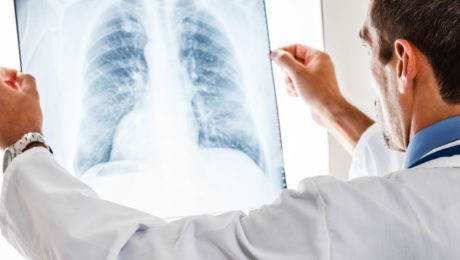
Healing Damaged Lungs with Stem Cells
A new study from the Weizmann Institute of Science reveals promising results using stem cells to repair damaged lung tissue. This breakthrough offers hope for treating conditions like bronchitis, asthma, cystic fibrosis, and emphysema, which collectively affect millions globally.
Bone Marrow Stem Cells for Lung Tissue Regeneration
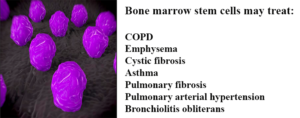
The study focuses on similarities between lung and bone marrow stem cells. Researchers at the Weizmann Institute, led by Professor Yair Reisner, successfully transplanted bone marrow stem cells into mice with lung damage. These stem cells migrated to damaged areas, differentiated into lung tissue, and continued to generate new cells up to 16 weeks post-transplantation.
Future Directions: Lung-Specific Induced Pluripotent Stem Cells (iPSCs)
Advantages of iPSCs Over Bone Marrow Stem Cells
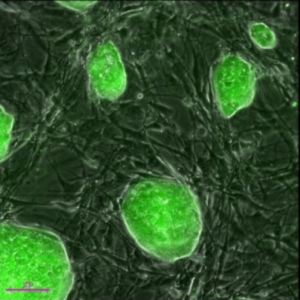
In related research, scientists at Boston University Medical Center generated lung-disease specific induced pluripotent stem cells (iPSCs) from patients with conditions like emphysema and cystic fibrosis. iPSCs offer advantages such as easier cultivation and genetic compatibility, minimizing the risk of rejection in transplants.
Potential for Transplantation and Lung Tissue Differentiation
Studies show that iPSCs can differentiate into endoderm cells, precursors to lung tissue, offering a promising avenue for future treatments of lung diseases.
Conclusion
The research underscores the potential of stem cells, both from bone marrow and induced pluripotent sources, to revolutionize the treatment of lung diseases. Ongoing studies aim to refine these techniques and explore the creation of a bank of lung-specific stem cells for clinical use.
References
- Chava Rosen, Elias Shezen, Anna Aronovich, Yael Zlotnikov Klionsky et al. – Preconditioning allows engraftment of mouse and human embryonic lung cells, enabling lung repair in mice, Nature Medicine, 2015, Link.
- Aba Somers, Jyh-Chang Jean, Cesar A. Sommer, Amel Omari et al. – Generation of transgene-free lung disease-specific human induced pluripotent stem cells using a single excisable lentiviral stem cell cassette, Stem Cells, 2010, 28 (10):1728, Link.
This structure ensures each section is clearly delineated for SEO purposes, incorporating keywords like “stem cells,” “lung tissue regeneration,” “induced pluripotent stem cells,” and specific study references.
- Published in Corporate News / Blog
Adult tissues that serve as sources for stem cells
Where Do Adult Stem Cells Come From?
Adult stem cells are garnering significant interest in the scientific community due to their ability to self-renew and differentiate into various types of cells and tissues. Unlike embryonic stem cells, which can differentiate into multiple cell types, adult stem cells typically generate tissues specific to their origin. This focus on adult stem cells has intensified amidst ethical concerns surrounding embryonic stem cell research, making them pivotal in the study of degenerative conditions such as osteoarthritis, muscular dystrophy, and Alzheimer’s disease.
Sources of Adult Stem Cells
Adult stem cells are found in several tissues, each offering potential therapeutic applications:
Neural Stem Cells (NSCs)
Neural stem cells are multipotent cells that can generate the central nervous system. Recent studies, including research by Japanese scientists, demonstrate their potential to replace dying neurons in conditions like multiple sclerosis and Parkinson’s disease [1].
Hematopoietic Stem Cells (HSCs)
Hematopoietic stem cells, derived from blood or bone marrow, can differentiate into various specialized cells such as white blood cells and red blood cells. They play a crucial role in immune response and blood clotting.
Skeletal Stem Cells (STCs)
Found in bone marrow, skeletal stem cells give rise to bone cells (osteoblasts), cartilage, and hematopoietic stroma, supporting bone structure and function.
Intestinal Stem Cells (ISCs)
ISCs, located in the lining of the intestines, continuously divide throughout life. They are implicated in intestinal cancer development but also offer regenerative potential for treating gastrointestinal disorders.
Liver Stem Cells
In the liver, hepatocytes exhibit stem cell-like behavior during regeneration, replacing damaged tissue. Researchers, such as Dr. Lola Reid, have identified biliary tree stem cells as potential pancreatic precursors, offering insights into diabetes treatment [2].
Conclusion
Research into adult stem cells has expanded our understanding of their therapeutic potential in regenerative medicine. Their diverse sources—from neural tissues to the liver—provide avenues for developing treatments without the ethical concerns associated with embryonic stem cells. With lower rejection rates and higher differentiation capabilities, adult stem cells offer hope for effectively treating degenerative diseases in the future.
References
- MacKlis, Jeffrey D.; Magavi, Sanjay S.; Leavitt, Blair R. (2000). “Induction of neurogenesis in the neocortex of adult mice”. Nature 405 (6789): 951–5.
- Biliary Tree Stem Cells, Precursors to Pancreatic Committed Progenitors: Evidence for Possible Life-long Pancreatic Organogenesis – Link.
This structure enhances readability and SEO by incorporating targeted keywords like “adult stem cells,” “neural stem cells,” “hematopoietic stem cells,” and specific study references.
- Published in Corporate News / Blog
We may soon be able to heal autoimmune disorders with Stem Cells
Autoimmune disorders are conditions where the body’s immune system mistakenly attacks healthy cells, causing damage to tissues and organs. With over 80 known types, including diabetes type 1, lupus, rheumatoid arthritis, celiac disease, and multiple sclerosis, these disorders affect millions worldwide.
Understanding Autoimmune Disorders
The exact causes of autoimmune disorders remain unclear, though triggers like viruses, bacteria, or certain medications may disrupt immune function, leading the body to attack its own tissues. Common targets include red blood cells, skin, connective tissues, blood vessels, and various glands.
Current Treatments and Limitations
Standard treatments for autoimmune disorders primarily involve immune-suppressing medications, which offer temporary relief but do not provide a cure. Researchers are therefore exploring alternative approaches, such as stem cell therapy, to address these conditions effectively.
The Use of Stem Cells in Autoimmune Disorders
Mesenchymal Stem Cells (MSCs) in Immunomodulation
Research indicates that mesenchymal stem cells, derived from sources like bone marrow, exert immunological functions that help maintain immune balance. Studies, including one published in Arthritis Research and Therapy, highlight MSCs’ ability to regulate immune responses and potentially prevent tissue destruction [1].
Hematopoietic Stem Cells (HSCs) for Severe Autoimmune Diseases
Studies, such as those conducted at Harvard Medical School, explore the use of hematopoietic stem cells in treating severe autoimmune diseases like rheumatoid arthritis and multiple sclerosis. Transplantation of HSCs following immunosuppressive therapies has shown promise in achieving disease remission [2].
Neural Stem Cells (NSCs) in Multiple Sclerosis
In multiple sclerosis research, neural stem cells derived from the central nervous system demonstrate neuroprotective and immunomodulatory effects. Studies suggest these cells could potentially repair damaged nerve tissues and improve symptoms in MS patients [3].
Mesenchymal Stem Cells (MSCs) in Rheumatoid Arthritis
Research on rheumatoid arthritis indicates that mesenchymal cells derived from sources like the placenta possess immunosuppressive properties. Studies, such as those investigating human amnion mesenchymal cells, show promise in alleviating arthritis symptoms and reducing disease severity [4].
Challenges and Future Directions
Despite promising results, challenges remain in optimizing stem cell therapies for autoimmune disorders. Researchers must establish precise protocols and address issues like immune rejection and treatment efficacy in larger clinical settings.
References
- Published in Corporate News / Blog
