
STANFORD RESEARCHERS ISOLATE SKELETAL STEM CELLS THAT GIVE RISE TO BONES AND CARTILAGE
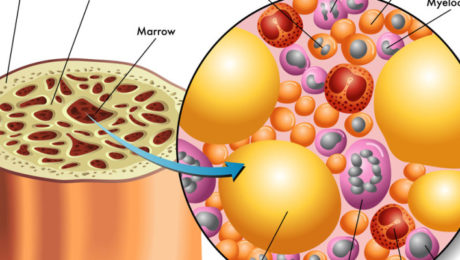
Stanford Researchers Isolate Skeletal Stem Cells That Give Rise to Bones and Cartilage
Cartilage and bone deterioration often result from aging, lifestyle factors, or injuries. Unlike bone tissue, mature cartilage has limited self-healing capabilities. Surgical interventions like joint replacement are costly and carry risks such as rejection and infection [1].
Stanford’s Breakthrough in Tissue Engineering
In January 2015, Stanford University School of Medicine scientists made a significant breakthrough in tissue engineering. They successfully isolated skeletal stem cells (myoblasts) capable of generating bone and cartilage in mice. This achievement included mapping the chemical signals crucial for directing stem cell differentiation [2].
Understanding Skeletal Stem Cells
Stem cells are undifferentiated cells with the ability to develop into specialized cell types, replenishing damaged tissues. While embryonic stem cells (ESCs) are pluripotent and controversial due to ethical concerns, adult stem cells from sources like bone marrow and adipose tissue are promising alternatives. Recent research suggests that adult stem cells may differentiate into diverse cell types beyond their tissue of origin.
Stanford’s Research Insights
Stanford’s study focused on rapidly dividing cells found at the ends of mouse bones. Human skeletal muscle-derived cells transplanted into mice showed remarkable regenerative potential after irradiation and cryoinjury preconditioning. This research not only reconstructed bone tissues but also mapped the developmental trajectory of skeletal stem cells.
Irving Weissman, MD, director of the Stanford Institute for Stem Cell Biology and Regenerative Medicine, anticipates these findings will advance human therapies for cartilage and bone regeneration [3].
Differentiation and Therapeutic Applications
Skeletal stem cells contribute to bone formation, adipocyte production (fat cells), and cartilage regeneration. Their potential therapeutic applications extend to treating muscular conditions like muscular dystrophy, joint disorders such as arthritis, and even autoimmune diseases like rheumatoid arthritis and multiple sclerosis.
Challenges and Future Prospects
Despite promising results, challenges in scaling up cell production remain a barrier to widespread clinical application of skeletal stem cell therapies.
References
- Development and Remodeling of Skeletal Tissue – David King, School of Medicine, Southern Illinois University, 2009
- Researchers Isolate Stem Cell That Gives Rise to Bones, Cartilage in Mice – Christopher Vaughan, Stanford Institute for Stem Cell Biology and Regenerative Medicine, 2015
- Stanford Stem Cell Research
- Genetic Control of Skeletal Development
- Published in Corporate News / Blog
PROTEINS PRODUCED BY STEM CELLS, USED IN BONE REGENERATION
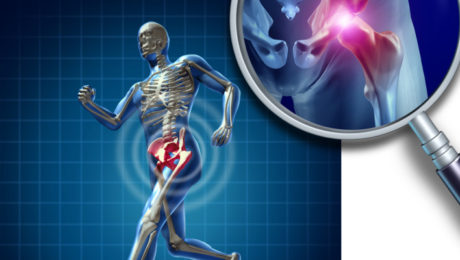
Bone loss and weakening are natural effects of aging, beginning as early as age 30. Factors like smoking, inadequate calcium intake, certain medications, and hormonal changes accelerate bone resorption, leading to decreased density, porous bones, and increased fracture risk.
Stem Cell Innovations in Bone Reconstruction
Researchers at the Gladstone Institutes have pioneered a method using proteins derived from stem cells to stimulate bone reconstruction. Unlike traditional methods that rely on bone grafts from cadavers, this approach extracts bone-forming proteins directly from stem cells.
Advantages of Stem Cell Proteins
In experiments on mice, proteins extracted from stem cells were injected into muscle tissue, promoting significant bone growth without the risks associated with traditional bone grafts. This method shows promise for safer, more effective bone repair in humans, with lower rejection and tumor formation risks [1].
Scientific Validation and Clinical Applications
A study published in Scientific Reports affirmed that stem cell-derived proteins offer a reliable source for tissue regeneration. This builds on earlier research, such as Dr. Ranieri Cancedda’s pioneering work using bone marrow cells to repair bone defects [2].
Cutting-Edge Research and Future Directions
Researchers at the National Institutes of Health successfully grew new bone from stem cells derived from skin cells, published in Cell Reports. By reprogramming skin cells into induced pluripotent stem cells (iPSCs) and differentiating them into bone cell precursors, they achieved bone growth in primates without tumor formation. This method harnesses the immune compatibility and versatility of iPSCs, heralding new possibilities for personalized bone regeneration [3].
Conclusion
While the use of stem cells in bone regeneration is advancing, ongoing research aims to refine techniques for optimal integration and long-term effectiveness in human patients.
References
- Published in Corporate News / Blog
The different types of stem cells and their current uses

Stem cells possess remarkable potential in medical applications due to their ability to differentiate into diverse cell types and renew themselves. They play a crucial role in the body by generating specialized cells that form tissues such as muscles, bones, blood, and the brain.
Types of Stem Cells Based on Origin
Embryonic Stem Cells (ESCs)
Embryonic stem cells are pluripotent cells derived from embryos up to 5 days old. They can differentiate into any cell type, making them valuable for tissue repair and regeneration. Ethical considerations limit their use in research and clinical applications.
Adult Stem Cells
Found in mature tissues throughout the body, adult stem cells can differentiate into specific cell types related to their tissue of origin. Recent studies suggest they may have broader differentiation potential similar to embryonic stem cells. Adult stem cells, such as those from bone marrow, are used in therapies for bone, cartilage, and blood vessel repair.
Induced Pluripotent Stem Cells (iPSCs)
Generated from adult specialized cells through genetic reprogramming, iPSCs exhibit characteristics akin to embryonic stem cells without ethical concerns. They show promise in treating neurological disorders and other conditions, offering versatility and reduced risk of rejection compared to adult stem cells.
Current Applications of Stem Cells by Type
Adult Stem Cells
Adult stem cells from bone marrow are crucial in treating leukemia and related cancers via bone marrow transplants. They also aid in repairing cartilage defects and enhancing outcomes in spinal cord injuries and peripheral vascular disease.
Induced Pluripotent Stem Cells (iPSCs)
Research using iPSCs derived from skin cells highlights their potential in treating neurological disorders like Parkinson’s disease and age-related macular degeneration. Studies have successfully grown human liver buds from iPSCs, opening new avenues for organ regeneration and disease treatment.
Challenges and Future Directions
While adult stem cells and iPSCs offer extensive therapeutic possibilities, challenges such as immunological rejection remain significant barriers. Ongoing research aims to overcome these hurdles and expand the clinical use of stem cells in various medical fields.
For more information on stem cell research and therapies, explore our comprehensive resources and stay updated on the latest advancements in regenerative medicine at www.issca.us.
- Published in Corporate News / Blog
