Global Stem Cells Group Announces the First International Meeting on Marketing in Aesthetic Medicine
Global Stem Cells Group announces the first international meeting on marketing in aesthetic medicine August 24, 2018 in Buenos Aires, Argentina.
MIAMI, April 19, 2018—Global Stem Cells Group founder Benito Novas announces the first international meeting on marketing in aesthetic medicine, to be held at the Medicine Faculty of Universidad de Buenos Aires August 24, 2018.

Novas, a global entrepreneur and medical marketing strategist in the fields of biotechnology, life sciences, and healthcare development, will lead a team of experts who will share strategies for marketing an aesthetic medicine practice.
The meeting agenda will provide attendees with tools and insights for promoting their practices, with topics including:
- How to manage social media to recruit more patients
- How to use Instagram and email marketing
- How to use content marketing to attract target audiences
- Promoting an aesthetic clinic in the digital era
- Influencer marketing
Novas, CEO of Global Stem Cells Group and Aesthetic Marketing Group, will be the event’s keynote speaker. He will share his expertise in digital marketing, the latest marketing tools for managing an aesthetic medicine practice, and other strategies for promoting physician practices.
“Consumers spend at least three hours per day on social media sites, which makes social media a valuable tool for attracting patients,” Novas says. “Physicians and medical practice administrators who participate in this meeting can learn how to leverage the power of online resources like Twitter, Facebook, and Instagram to reach target audiences, increase leads, and effectively recruit new patients.
Attendees will also learn about consumer behavior patterns in their search for products and services in the digital age. Most potential patients search Google to find an aesthetic medicine practice that offers the products and procedures they are looking for.
Content marketing and other strategies presented at this meeting will help aesthetic practices maximize opportunities to attract potential patients by enhancing online visibility and increasing engagement with target audiences.
Additional speakers will include:
- Hector Portilla, communications and advertising specialist and director of Medestica Digital Portal, who will discuss marketing strategies
for the development of cosmetic and aesthetic medicine centers - Tamara Paez, Espana, business consultant and author of Marketing Digital en su clinica Estetica (co-authored by Novas)
- Andrea Lapeire, plastic surgeon, Argentina
- Dario Parada, owner, and founder of Grupo NOTO S.A., Argentina
- Alex Novas, Chief Marketing Officer, Global Stem Cells Group U.S.
To learn more about attending Global Stem Cells Group’s first international meeting on marketing in aesthetic medicine email info@stemcellsgroup.com, or send a text via WhatsApp to +1 786 238 2170
About Global Stem Cells Group:
 Global Stem Cells Group (GSCG) is a worldwide network that combines seven major medical corporations, each focused on furthering scientific and technological advancements to lead cutting-edge stem cell development, treatments, and training. The united efforts of GSCG’s affiliate companies provide medical practitioners with a one-stop hub for stem cell solutions that adhere to the highest medical standards.
Global stem cell’s mission is to be the largest recognized stem cell and regenerative medicine network in the world.
Marketing for aesthetic medicine practices
- Published in Press Releases
Stem Cell Training Signs Agreement to Provide Onsite Regenerative Medicine Training Worldwide
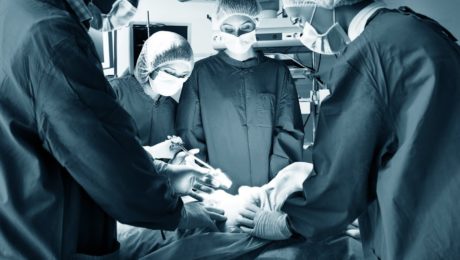
Global Stem Cells Group affiliate Stem Cell Training announces an agreement to provide its Onsite Regenerative Medicine Training at four medical practices in the U.S. and abroad.
MIAMI, April 19, 2018—Stem Cell Training, Inc., an affiliate of Global Stem Cells Group, has signed an agreement to provide its Onsite Regenerative Medicine Training. tailored to meet each individual practice’s requirements. at four medical practices in the U.S. and abroad.
The first onsite training program took place in Arizona earlier this month. The second was held at a private practice in Tampa, Florida April 19 and 20th. The third onsite training will be held at Dream Health & Beauty, a California aesthetics practice April 10-11, 2018, and the fourth onsite training will take place at Livali Pharmaceuticals, United Arab Emirates May 7-8, 2018.
Onsite Regenerative Medicine Training provides private medical practices with an opportunity to take advantage of Stem Cell Training’s highly qualified instructors and protocols to tailor stem cell training to their team’s individual needs. Onsite Training brings the coursework to individual facilities anywhere in the world for personalized, hands-on training in the latest stem cell procedures and protocols.
Participating medical practices receive the following benefits:
- Stem Cell Training’s state-of-the-art regenerative medicine training sessions brought to the facility, saving practices time and money.
- Access to SCT’s online resources, personalized theoretical information, and hands-on training as well as ongoing support for each clinical practice.
- Stem Cell applications and protocols presented to each practice team by an SCT faculty member with extensive experience in laboratory and clinical practice.
- The opportunity to offset registration fees by using the practice’s eligible patients to receive stem cell treatment during the workshop.
Onsite Stem Cell Training program specifications:
- The OSCT team of professionals delivers and sets up all necessary equipment and supplies for the training session to take place and leaves the participating practice team fully qualified to take on its own stem cell treatment practice.
- The OSCT course takes a highly visual and interactive approach, utilizing its expert trainers to teach and supervise the hands-on process on live patients and using different protocols for the extraction, isolation, and application of PRP, adipose, and bone marrow stem cells.
- OSCT provides access to high-resolution, step-by-step videos of procedures for participating practice teams’ future use and reference as well as access to ongoing online and telephone support for clinical and equipment inquiries or concerns.
Stem Cell Training’s Onsite Regenerative Medicine training is fully customized to address specific client needs and medical practice focus. The OSCT team helps physicians and their teams set up their medical facilities to become successful regenerative medicine practices.
To learn more about Stem Cell Training’s Onsite Regenerative Medicine Training, visit the Stem Cell Training Onsite Training website, email info@stemcellsgroup.com or call +1 305 560 5337.
About Stem Cell Training, Inc.:
 Stem Cell Training, Inc. is a multi-disciplinary company offering coursework and training in 35 cities worldwide. The coursework offered focuses on minimally invasive techniques for harvesting stem cells from adipose tissue, bone marrow, and platelet-rich plasma. By equipping physicians with these techniques, the goal is to enable them to return to their practices, better able to apply these techniques in patient treatments.
About Global Stem Cells Group:
Global Stem Cells Group (GSCG) is a worldwide network that combines seven major medical corporations, each focused on furthering scientific and technological advancements to lead cutting-edge stem cell development, treatments, and training. The united efforts of GSCG’s affiliate companies provide medical practitioners with a one-stop hub for stem cell solutions that adhere to the highest medical standards.
Global stem cell’s mission is to be the largest recognized stem cell and regenerative medicine network in the world.
online stem cell training
- Published in Press Releases
ISSCA to Host Stem Cell Training Certification Course August 25-26, 2018 in Buenos Aires, Argentina
ISSCA will conduct the next hands-on regenerative medicine certification training course for physicians in Buenos Aires, Argentina, August 25-26. 2018.
MIAMI, April 19, 2018—Following the success of its stem cell training course in Buenos Aires April 6-7, the International Society for Stem Cell Application (ISSCA) has announced plans to host the next hands-on regenerative medicine certification training course for physicians in Buenos Aires August 25-26, 2018.
Eight physicians participated in the April training course, earning certification for harvesting and implanting adipose and bone marrow stem cells in a clinical setting to treat a variety of diseases and conditions including arthritis and osteoarthritis.
Participants learn while they conduct regenerative medicine protocols on live patients under the direction of stem cell training experts. Skills learned in the training course can be used in the physician’s practice for medical and aesthetic treatments and help physicians looking for career advancement opportunities.
Argentinian sports medicine specialist, Damian Ariel Siano M.D., spoke about the benefits of stem cell certification during the training session.
“Now I can offer all my patients a non-surgical option that allows them to avoid surgery for procedures like knee and hip replacement,” Siano says. “For professional athletes, this procedure provides faster recovery and less downtime following the procedure.”
The course also provides participating physicians with access to ISSCA’s online stem cell training course to review all content and procedures introduced during the two-day clinical training course, as well as patient forms and guidelines, procedures, informed consent forms, didactic lectures, training booklets, and more.
The ISSCA’s regenerative medicine protocols training course was developed for physicians and high-level practitioners to learn techniques in harvesting and reintegrating stem cells derived from patients’ adipose tissue and bone marrow.
Stem cell therapies continue to revolutionize the medical industry and help improve the quality of life for patients suffering from sports injuries, age-related conditions, and other chronic ailments.
The August 25-26. 2018 training course will be held at the Medicine Faculty of Universidad de Buenos Aires.
Seating for this training course is limited. Register today to participate by visiting the Stem Cell Training Buenos Aires website, email info@stemcellsgroup.com, or call 305-560-5337.
About ISSCA:
 The International Society for Stem Cell Application (ISSCA) is a multidisciplinary community of scientists and physicians, all of whom aspire to treat diseases and lessen human suffering through advances in science, technology and the practice of regenerative medicine. ISSCA serves its members through advancements made to the specialty of regenerative medicine.
The ISSCA’s vision is to take a leadership position in promoting excellence and setting standards in the regenerative medicine fields of publication, research, education, training, and certification.
As a medical specialty, regenerative medicine standards and certifications are essential, which is why ISSCA offers certification training in cities all over the world. The goal is to encourage more physicians to practice regenerative medicine and make it available to benefit patients both nationally and globally. Incorporated under the Republic of Korea as a non-profit entity, the ISSCA is focused on promoting excellence and standards in the field of regenerative medicine.
Stem cell training certification Buenos Aires
- Published in Press Releases
Platelet-Rich Plasma Injections: Protocol Guide
Almost all sports medicine doctors agree that there’s no harm in trying Platelet Rich Plasma Injections (PRP Injections) for their patients. After all, there are hundreds of thousands of cases with positive results. All it needs is research to prove its worth. Currently, many independent researches are ongoing, funded privately, like the one conducted by Dr. Kimberly G. Harmon M.D., director of the Primary Care Sports Medicine fellowship at the University of Washington. She recently received a gift to support her research from UW alumni who firmly believe in Platelet-Rich Plasma (PRP).
While the process of extracting PRP is fairly simple—there are many variants as long as platelets are above baseline levels with at least seven growth factors—many physicians are still unsure about what they can and can’t do when it comes to this marvelous procedure. Today, let’s shed light on the fine print.
Platelet-Rich Plasma Injections Protocol
Protocol/Technique
Usually, the procedure requires the physician/surgeon and an assistant or two to help with the preparation of the graft, maintenance of sterile technique, and saving the ultrasound images (if relevant).
Pre-Procedure Considerations
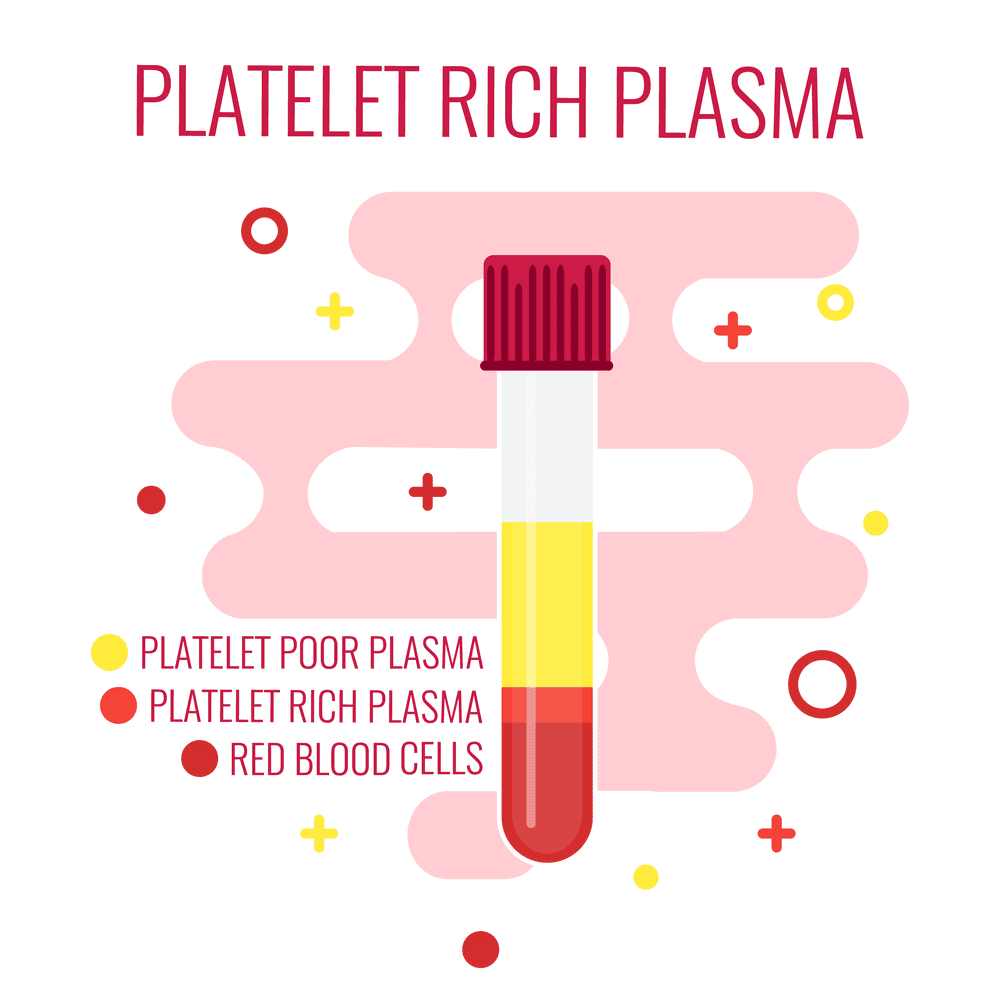
- There should always be a specific indication associated with a physical exam with confirmed imaging studies such as an ultrasound, CT scan, or MRI before treatment.
- Proper patient education and a discussion must be had with the patient, as well as a signed informed consent prior to the procedure.
- Contraindications must be reviewed prior to the procedure.
Graft Preparation
- The patient should be positioned in a comfortable seated or reclining position.
- Sterile single needles and syringes must be used with proper handling and disposal.
- Using an aseptic procedure, the proper amount of blood is then drawn from the vein for the PRP procedure.
- If the blood cannot be obtained from the site the first time, a new site must be used to prevent early activation.
- Using a sterile technique, transfer the tube of venous blood to the centrifuge. Platelet-Rich Plasma should be acquired using a separating device created for autologous blood. Preference is always given to a closed system that will prevent exposure of the blood and its cellular components to the open air, and permits minimal use of the tissue.
Image Guidance PRP Therapy
- Real-time imaging guidance using ultrasound, CT, or fluoroscopy should always be used when performing a PRP injection.
- If ultrasound is going to be used, the following considerations need to be decided in advance: For lengthy procedures, PRP injections near the spine, and intra-articular injections, sterile gel is recommended.
- Always use sterile probe covers. Cleansing the probe before and after the PRP procedures and observing sterile technique is sufficient.
- Guided images and indelible markings of the site of the probe position and the needle entry always need to be made before cleaning the skin where the probe and needle will be inserted.
- Always apply a bandage or a dressing after the procedure to protect the entry site from germs.
Post-Injection Care
- The patient should be monitored for any post-PRP procedure complications such as vaso-vagal reactions.
- Patients should be given post-procedure directions and precautions, and any questions should be answered before they leave. They should also have emergency contact information.
- Patients should be instructed about immobilization and any post-procedure activities that are allowed and/or not allowed.
- Post-PRP procedure pain prescriptions need to be given to the patient before discharge, and any questions about the medication(s) should be answered at this time. Patients also need to be instructed to avoid NSAIDs until they have healed, are pain-free, and have full function returned to the treated area.
- Per OSHA guidelines, contaminated areas must be disinfected before the next patient uses the room.
- The PRP procedure must be documented in detail, including a procedure note with the following information: date, pre- and post-procedure diagnosis, name of the procedure, physician/surgeon(s), any assistants, whether or not anesthesia was used and what type, short-term indication of the procedure, a description of the graft preparation, and a description of the procedure, including any/all guidance and instruments used.
Follow-up Care
- Patients are normally re-examined 2-6 weeks after the PRP procedure to follow up on pain, use, the injection site, and to discuss any concerns and future course of action.
- The patient response to the treatment should be recorded using authenticated outcome measures.
- Any complications, responses, and all other relevant information should be logged into the ICMS tracking system.
- Consideration for another PRP injection should be the center of the discussion, and the patient will be able to make a decision based on the outcome.
Safety Considerations
- Universal precautions must be used before, during, and after the procedure.
- Risk of infection: PRP is antimicrobial and provides effective protection against most bacterial infections except for Klebsiella, Pseudomonas, and Enterococcus.
- With the graft being made entirely out of autologous blood, it virtually eliminates the risk of disease transmission unless the graft becomes contaminated.
Risks to Patients from the Procedure
- Infection
- Bleeding
- Nerve damage
- Pain
- Lack of result
- Loss of limb and death (very rare)
Platelet-Rich Plasma: Indications
Musculoskeletal complaints require a complete history and exam to find a diagnosis. Often, diagnostic studies may be needed and reviewed to understand why prior treatments failed. PRP is usually considered an optional treatment for chronic and subacute conditions. Commonly, healing slows down or stops altogether at the 6-12 week period following an acute or traumatic injury. If the patient has not had any improvement for over the first six weeks, it’s probable the healing period has stopped.
Platelet-Rich Plasma: Contraindications
- Septicemia
- Platelet dysfunction syndrome
- Localized infection at the procedure site
- Hemodynamic instability
- Critical thrombocytopenia
- Patient not willing to take the risks involved with the procedure
Relative Contraindications:
- Regular use of NSAIDs within 48 hours of the PRP procedure
- HGB of < 10 g/dl
- Platelet count of < 105/ul
- Systemic use of corticosteroids within 2 weeks
- Recent illness or fever
- Cancer, particularly hematopoietic or bone
- HGB < 10 g/dl
- Platelet count < 105/ul
- Corticosteroid injection at the treatment site within 1 month
- Tobacco use
- Published in Corporate News / Blog
Platelet-Rich Plasma For Melasma — Will It Fade Forever?
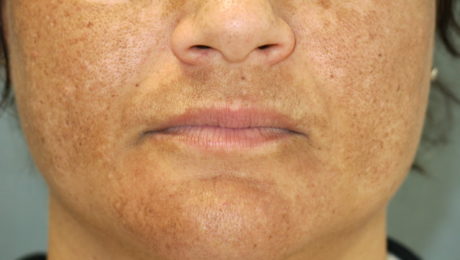
For most women, a tiny pimple on the face is enough to ruin their day. Or week. Even the slightest imperfection that may have a 1% chance of getting noticed by others will freak them out. For these women, Melasma is their darkest nightmare. It’s a pretty common issue, a result of exposure to the sun, that causes brown patches on the face. Permanent patches, I should add.
If you’re suffering from Melasma, the road to “recovery” usually looks like this:
- You hope that it’ll fade away.
- Your friend suggests you try apple cider vinegar and lemon juice treatment.
- Slightly disappointed.
- You visit a dermatologist who’ll prescribe a bleaching cream (hydroquinone or similar).
- Full-on disappointment.
- You Google the hell out of the topic.
- Overwhelm.
- Concealers and makeup become your best friend.
At this point, no one can convince you there is a treatment for getting rid of melasma. Trying more and more treatments only runs the risk of making the condition worse. So what would you do?
What About Platelet-Rich Plasma For Melasma?
According to recent Turkish and Malaysian studies, Platelet-Rich Plasma is showing great promise for melasma. The one good thing about PRP for Melasma is the fact that PRP won’t make the condition worse unlike IPL, Fraxel, or other treatments. So that’s one of the treatments you can confidently try without worry. It’s like getting a natural facial treatment that has a whole lot of potential benefits even if it didn’t help cure melasma.
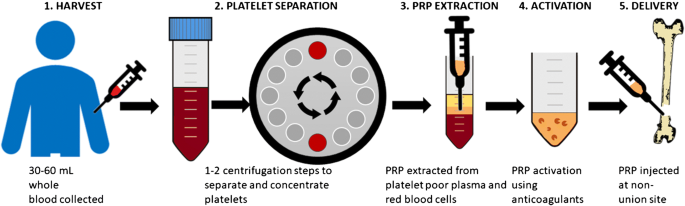
PRP injections work by supplying growth factors to reduce the pigmentation. And being an independent treatment with no downtime, it can be done in conjunction with conventional treatments for melasma to add and enhance the effects. There are more than 30 bioactive substances in Platelet-Rich Plasma that have separate roles like increasing skin volume and adding new blood vessels to name a few.
Platelet-Rich Plasma with Microneedling
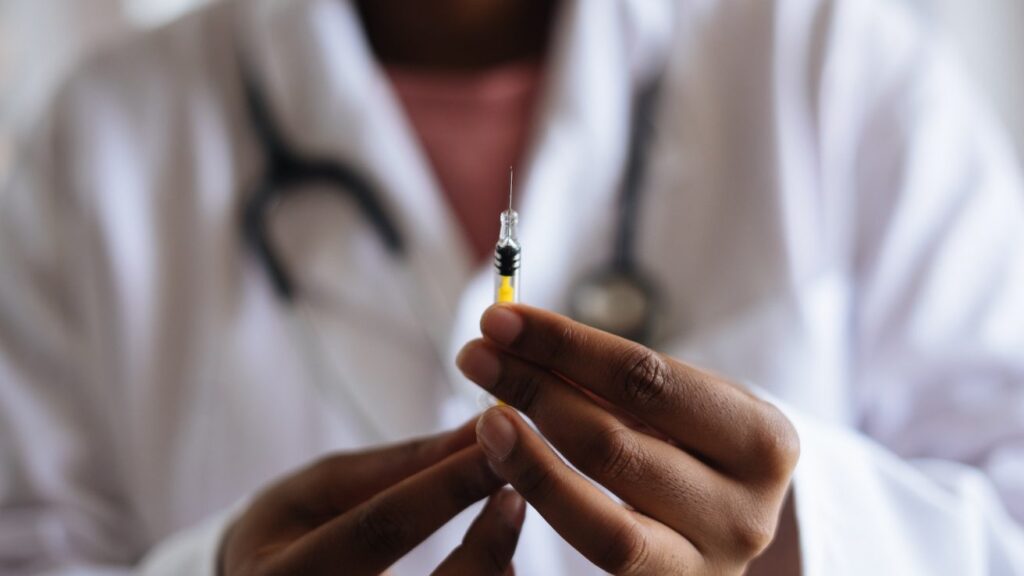
This is the most common combination for Platelet-Rich Plasma therapy. Here’s a video of Dr. Michael Somenek performing a PRP injection on a patient of his immediately after microneedling. The combination is known to have produced results for a lot of varieties of skin pigmentation issues that it’d not be wise for anyone to ignore it for melasma, especially when creams and peels didn’t help. More important is PRP’s ability to stimulate collagen production in the area so it tightens the pores and makes your skin glowing.
Why Platelet-Rich Plasma?
PRP is primarily a healing vehicle. It needs to be injected into the membrane below the skin. The way it works is by supplying the underlying skin membrane with collagen and tenascin stimulated by the transforming growth factors in PRP. These growth factors also promote the formation of new blood vessels that in some cases results in the disappearance of spider veins.
The released growth factors (mainly platelet-derived growth factor (PDGF), epidermal growth factor (EGF), vascular endothelial growth factor (VEGF), fibroblast growth factor (FGF), and transforming growth factor-beta (TGF-ß)) can stimulate the proliferation of fibroblasts and epidermal cells, and collagen synthesis. In addition, the transforming growth factor-beta (TGF-ß) has been proven to inhibit melanogenesis — or reverse skin pigmentation — the exact opposite effect of exposure to UV-B radiation.
Typically, patients see excellent results with 2-3 PRP injections in the first 3 months. And clinical studies have shown that it will maintain after 6 months. However, Melasma is known to recur even after successful treatments. So you must take precautions against it by using sunscreen with broad-spectrum protection and an SPF of 30 or higher. And avoid skincare products that are harsh as they can exacerbate melasma.
- Published in Corporate News / Blog
Platelet-Rich Plasma For Melasma — Will It Fade Forever?
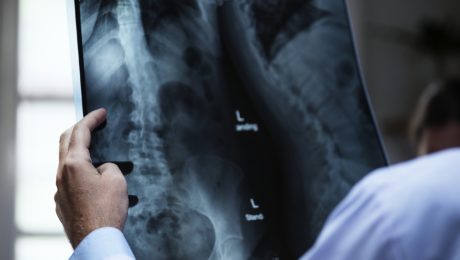
For most women, a tiny pimple on the face is enough to ruin their day. Or week. Even the slightest imperfection that may have a 1% chance of getting noticed by others will freak them out. For these women, Melasma is their darkest nightmare. It’s a pretty common issue, a result of exposure to the sun, that causes brown patches on the face. Permanent patches, I should add.
If you’re suffering from Melasma, the road to “recovery” usually looks like this:
- You hope that it’ll fade away.
- Your friend suggests you try apple cider vinegar and lemon juice treatment.
- Slightly disappointed.
- You visit a dermatologist who’ll prescribe a bleaching cream (hydroquinone or similar).
- Full-on disappointment.
- You Google the hell out of the topic.
- Overwhelm.
- Concealers and makeup become your best friend.
At this point, no one can convince you there is a treatment for getting rid of melasma. Trying more and more treatments only runs the risk of making the condition worse. So what would you do?
What About Platelet-Rich Plasma For Melasma?
According to recent Turkish and Malaysian studies, Platelet-Rich Plasma is showing great promise for melasma. The one good thing about PRP for Melasma is the fact that PRP won’t make the condition worse unlike IPL, Fraxel, or other treatments. So that’s one of the treatments you can confidently try without worry. It’s like getting a natural facial treatment that has a whole lot of potential benefits even if it didn’t help cure melasma.
PRP injections work by supplying growth factors to reduce the pigmentation. And being an independent treatment with no downtime, it can be done in conjunction with conventional treatments for melasma to add and enhance the effects. There are more than 30 bioactive substances in Platelet-Rich Plasma that have separate roles like increasing skin volume and adding new blood vessels to name a few.
Platelet-Rich Plasma with Microneedling
This is the most common combination for Platelet-Rich Plasma therapy. Here’s a video of Dr. Michael Somenek performing a PRP injection on a patient of his immediately after microneedling. The combination is known to have produced results for a lot of varieties of skin pigmentation issues that it’d not be wise for anyone to ignore it for melasma, especially when creams and peels didn’t help. More important is PRP’s ability to stimulate collagen production in the area so it tightens the pores and makes your skin glowing.
Why Platelet-Rich Plasma?
PRP is primarily a healing vehicle. It needs to be injected into the membrane below the skin. The way it works is by supplying the underlying skin membrane with collagen and tenascin stimulated by the transforming growth factors in PRP. These growth factors also promote the formation of new blood vessels that in some cases results in the disappearance of spider veins.
The released growth factors (mainly platelet-derived growth factor (PDGF), epidermal growth factor (EGF), vascular endothelial growth factor (VEGF), fibroblast growth factor (FGF), and transforming growth factor-beta (TGF-ß)) can stimulate the proliferation of fibroblasts and epidermal cells, and collagen synthesis. In addition, the transforming growth factor-beta (TGF-ß) has been proven to inhibit melanogenesis — or reverse skin pigmentation — the exact opposite effect of exposure to UV-B radiation.
Typically, patients see excellent results with 2-3 PRP injections in the first 3 months. And clinical studies have shown that it will maintain after 6 months. However, Melasma is known to recur even after successful treatments. So you must take precautions against it by using sunscreen with broad-spectrum protection and an SPF of 30 or higher. And avoid skincare products that are harsh as they can exacerbate melasma.
- Published in Corporate News / Blog
tem Cell Platelet-Rich Plasma: The Best Regenerative Therapy?
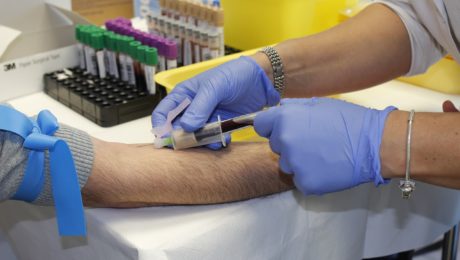
To understand why stem cell platelet-rich plasma or co-transplantation of adipose-derived mesenchymal stem cells (ADSC) and PRP is such a remarkable idea in regenerative medicine, let’s spend a little time looking at the mechanics of PRP.
Platelet-Rich Plasma’s Role as Repairmen
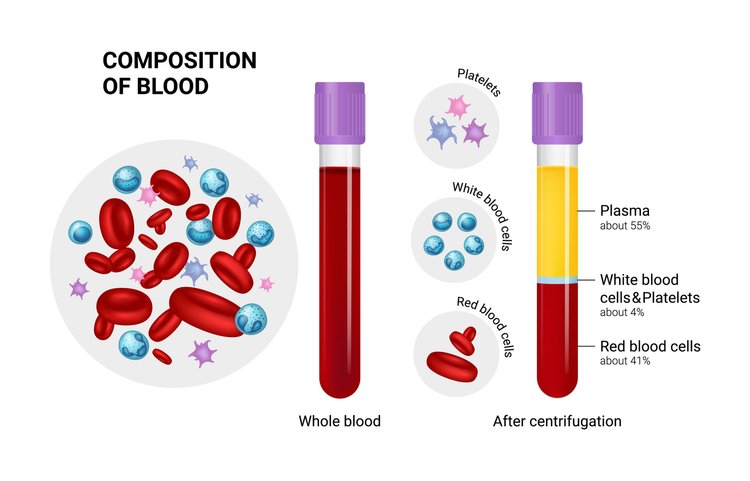
The one thing that makes Platelet-Rich Plasma a hero in several fields (if not all) of medicine is the fact that the diverse growth factors in it are able to stimulate stem cell proliferation and cell differentiation (the factors that determine effective tissue regeneration and healing) on any part of the body. These growth factors are abundant in the blood and act as the natural repairmen of tissues. In the perfect scenario, there’s plenty of blood flow to every part of the body, and these “repairmen” are always on-call to address any healing needs that may arise. However, if the injured area has a poor blood supply — especially areas that constantly move like tendons, ligaments, and joints — demand for these repairmen can outgrow supply. Meaning, healing (or regeneration of tissues) is put on hold till further repairmen are available.
The train of Platelet-Rich Plasma then arrives with enough of these repairmen to warrant the resumption of healing. There’s another part of this picture we haven’t talked about so far: stem cells.
Stem Cells as the Raw Materials for PRP
As far as Platelet-Rich Plasma and its growth factors are concerned, they are mere repairmen. They can’t do the work by themselves. They need the basic raw materials to work with. And that raw material here is stem cells. Stem cells are the ones actually being regenerated to form new tissues for healing.
Supplying Both PRP and Stem Cells for Regeneration
Stem cells are the only raw materials that PRP works with for regeneration. These are like the fundamental building blocks of all other cells. These cells can be guided into becoming specialized cells under the right conditions. In addition, they can also divide themselves to form new stem cells or new specialized cells. So for Platelet-Rich Plasma to work well, it needs to be applied to an area with lots of stem cells like the heart, liver, blood vessels, etc. Incidentally, Platelet-Rich Plasma’s healing properties were first discovered by cardiac surgeons who played with concentrated blood for faster healing of the heart after surgery, and it showed tremendous promise because stem cells are abundant in heart tissues. But what if healing is needed in an area where there are not many stem cells?
With the new developments in stem cell technology, that can be solved too. Because now we can supply the stem cells to areas where there are less like the joints, ligaments, and tendons. For this, scientists usually use “mesenchymal stem cell” or MSCs. These are cells isolated from stroma and can differentiate to form adipocytes, cartilage, bone, tendons, muscle, and skin. The easiest way is to harvest it from adipose tissue or fat that we call Adipose-derived mesenchymal stem cells or ADSC.
The Future of Stem Cell Platelet-Rich Plasma
In regions with hypoxia (poor blood supply) like joints, meniscus tissue, rotator cuff, spinal discs, etc., the supply of platelets (and therefore growth factors) as well as the stem cells are limited. So what if we supplied both the stem cells and Platelet-Rich Plasma for triggering the regeneration process? That’s the question these Japanese scientists answered in their research. Here’s another group of scientists who took on the same challenge.
They used Adipose-derived mesenchymal stem cells (ADSC), which are known for their ease of isolation and extensive differentiation potential. These researchers noted that these stem cells often can’t survive in areas of local hypoxia, oxidative stress, and inflammation – thereby making them ineffective. However, when Platelet-Rich Plasma (or thrombin-activated PRP) is added to ADSC, it kept them alive for prolonged periods and the growth factors in the Platelet-Rich Plasma triggered cell differentiation and proliferation more easily.
Why This Exact Combination Is the Future
Done this way, both Adipose-derived mesenchymal stem cells (ADSC) and Platelet-Rich Plasma are raw materials for healing that’s already available in plenty in almost everyone (there are exceptions of course). That means, for complete healing to take place, this combination treatment, still in its very primitive stage of development, may have the potential to replace expensive synthetic drugs that carry complex unexplained side effects. The procedure takes our body’s natural healing agents — stem cells from body fat and PRP from blood — and then injects them inside the knee or other joints (or other areas where they are insufficient) for regeneration. Isn’t that like the most wonderful thing ever?
Whether it’s a cartilage cell, a bone cell, or a collagen cell for ligaments and tendons that need to be healed, all you need is a same-day procedure by a local, but specialized doctor, using the natural ingredients of the body. I believe this special combo is a huge win for Platelet-Rich Plasma.
The Challenges for Growing Adoption of This Treatment
We know Platelet-Rich Plasma has safe, yet high-speed recovery potential with its multiple growth factors. And it is effective in regenerative healing of cartilage injuries – the toughest injuries to heal – as well as Osteoarthritis. However, the challenges are Platelet Quality. We need to somehow ensure the Platelet-Rich Plasma quality is uniform. Currently, it varies from two to several fold above baseline concentration based on the donor’s physical condition.
Next, we need to identify the exact PRP growth factors that promote ADSC proliferation. Scientists believe growth factors such as basic fibroblast growth factor (bFGF), epidermal growth factor, and platelet-derived growth factor stimulate stem cell proliferation while some growth factors under certain conditions are known to inhibit the process. The percentage of PRP matters too. Scientists have tested 5 percent, 10 percent, 15 percent, and 20 percent Platelet-Rich Plasma in ADSC.
The Only Treatment in Modern Medicine for Cartilage Regeneration
The bottom line is that Stem Cell Platelet-Rich Plasma or ADSC + PRP procedure is the only treatment in modern medicine that has shown cartilage regeneration. So it’s too important to ignore. And it could be one of the greatest advances that science has brought to the millions of people suffering from serious pain in their joints, knee, and spine as well as people suffering from all kinds of tendon diseases and injuries.
To understand why stem cell platelet-rich plasma or co-transplantation of Adipose-derived mesenchymal stem cells and PRP, is such a remarkable idea in regenerative medicine, let’s spend a little time looking at the mechanics of PRP.
- Published in Corporate News / Blog
Aesthetic Practice Digital Marketing, Regenerative Medicine Master Classes at Jornadas Mediteraneas

ISSCA to host regenerative medicine symposium during Jornadas Mediteraneas—Mediterranean Days of Therapeutic Confrontations in Medicine and Cosmetic Surgery—in Barcelona.
MIAMI, April 2, 2018—The International Association for Stem Cell Application (ISSCA) has announced plans to host a regenerative medicine symposium during Jornadas Mediteraneas—Mediterranean Days of Therapeutic Confrontations in Medicine and Cosmetic Surgery— in Barcelona, Spain May 13, 2018.
The ISSCA symposium will provide a platform for Global Stem Cells Group to conduct master classes in digital marketing for aesthetic practices and regenerative medicine, conducted by specialists in these fields.
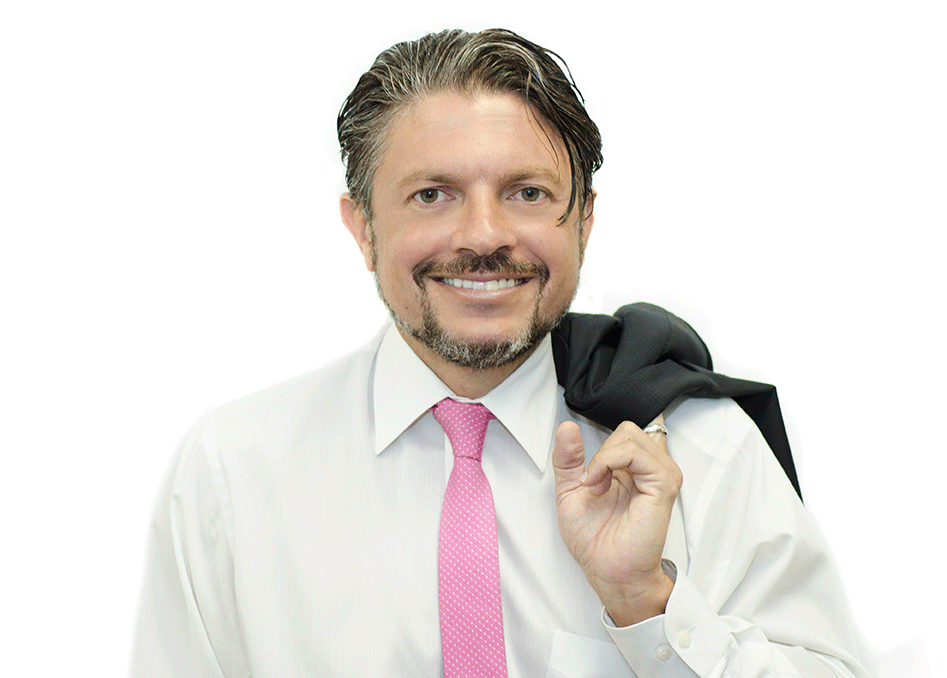
Benito Novas, Global Stem Cells Group CEO
GSCG CEO Benito Novas will conduct a master class in digital marketing for aesthetic physicians. Novas, a global entrepreneur and medical marketing professional in the fields of biotechnology, life sciences, and healthcare development, will share his expertise and the latest marketing tools for managing an aesthetic medicine practice. Topics will include social media strategies for promoting physician practices, and how to design Google and Facebook ads that generate targeted leads and engage new potential patients.
Novas’s class will provide aesthetic medicine professionals with a valuable opportunity to learn about the most effective marketing resources and methods for growing an aesthetic medicine practice and best practices for managing different advertising resources.
In addition, Novas’s class will offer expert tips for using content marketing strategies to build a practice. Following the class, Novas will launch his newest book, “Marketing Digital en su clinica Estetica”(“Digital Marketing in Your Aesthetics Clinic”) as well as his new online course, “Digital Marketing for Aesthetic Physicians.
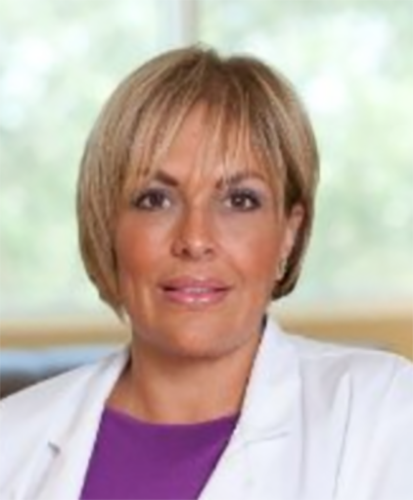
DRA Maritza Novas
The second master class will focus on regenerative medicine and will be split into two sessions, the first of which will be conducted by stem cell specialist DRA Maritza Novas and anti-aging and regenerative medicine specialist Leslie Mesen, M.D.
Novas and Mesen will offer instruction on adult stem cells, which have attracted the attention of scientists and physicians worldwide for their unique biological properties and potential for treating disease, injuries, and medical conditions. Stem cell research is complex and fast-growing, with new developments progressing rapidly.
Novas will share her expertise, experiences, and perspective on a broad range of topics regarding advancements in mesenchymal stem cell (MSC) applications during their transition from bench side to bedside.
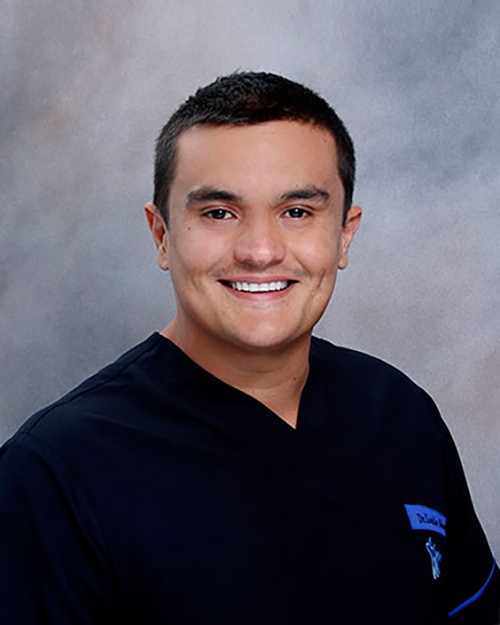
Leslie Mesen, M.D.
The second session will feature Mesen, Medical Director of Stem Cells Costa Rica who is board certified in anti-aging and regenerative medicine by The American Academy of Anti-Aging Medicine, and DRA Mar Vargas, Director of the Lasar Sculpture Medical Clinic in Escazu, Costa Rica, who will present their insights regarding clinical applications of stem cell treatments and share information about their clinical experiences with symposium audience members.
DRA Mar Vargas, Lasar Sculpture Medical Clinic
Sponsored by ISSCA, the symposium will utilize the Jornadas Mediteraneas platform to continue its mission to support a paradigm shift in healthcare from traditional to regenerative medicine in the 21st Century and provide cutting-edge information on developments in all areas of stem cell research.
To learn more about the symposium and digital marketing masterclass and to make a reservation, visit the stemcellconference.org website, email info@stemcellsgroup.com, or call +1305 560 5337.
About ISSCA:
The International Society for Stem Cell Application (ISSCA) is a multidisciplinary community of scientists and physicians, all of whom aspire to treat diseases and lessen human suffering through advances in science, technology and the practice of regenerative medicine. ISSCA serves its members through advancements made to the specialty of regenerative medicine.The ISSCA’s vision is to take a leadership position in promoting excellence and setting standards in the regenerative medicine fields of publication, research, education, training. and certification.
As a medical specialty, regenerative medicine standards and certifications are essential, which is why ISSCA offers certification training in cities all over the world. The goal is to encourage more physicians to practice regenerative medicine and make it available to benefit patients both nationally and globally. Incorporated under the Republic of Korea as a non-profit entity, the ISSCA is focused on promoting excellence and standards in the field of regenerative medicine.
About Global Stem Cells Group:
Global Stem Cells Group (GSCG) is a worldwide network that combines seven major medical
corporations, each focused on furthering scientific and technological advancements to lead cutting-edge stem cell development, treatments, and training. The united efforts of GSCG’s affiliate companies provide medical practitioners with a one-stop hub for stem cell solutions that adhere to the highest medical standards.Global stem cell’s mission is to be the largest recognized stem cell and regenerative medicine network in the world.
Jornadas Mediteraneas master classes
- Published in Press Releases
ISSCA President Deyoung Kim, Ph.D., Announces Regenerative Medicine Symposium in Korea Nov. 24, 2018
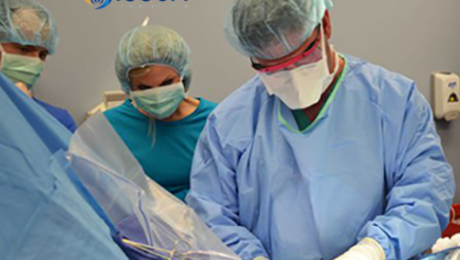
ISSCA Founder and President Daeyong Kim, Ph.D., announces plans to host the Regenerative Medicine Cell Therapies Symposium in Seoul, Korea in November.
MIAMI, April 2, 2018—International Association for Stem Cell Application (ISSCA) President Daeyong Kim, Ph.D., has announced plans to host Applications of Cell Therapies in Medicine and Aesthetic Surgery, a regenerative medicine symposium, in Seoul Korea November 24, 2018.
The symposium will be ISSCA’s principal event for 2018, during which the organization will launch its entire 2019 program, including stem cell certification courses for physicians to be held in locations worldwide, as well as the 2019 regenerative medicine symposium agenda.
In 2019, ISSCA plans to expand its activities to Asia by hosting at least one regenerative medicine symposium and four stem cell certification courses during the year. The Korea symposium will be structured as a scientific meeting in which regenerative medicine practitioners share their clinical experience. ISSCA affiliate Global Stem Cells Group, and biomedical and leading lab equipment manufacturer N-Biotek will launch new technology for regenerative medicine practitioners.
The international symposium is part of ISSCA’s mission to support a paradigm shift in healthcare from traditional to regenerative medicine in the 21st Century and provide cutting-edge information on developments in all areas of stem cell research. The Buenos Aires event will host a group of renowned international speakers in the field of stem cell and regenerative medicine, who will offer a day of rigorous scientific discourse aimed at physicians.
Topics of focus at the symposium include:
- Management of aging at the cellular level
- Stem cell therapies in medical aesthetics: the latest methods of harvest and isolation Non-invasive protocols of non-surgical facial and body rejuvenation
- Beyond fillers and toxins
- Combined treatment plans that include surgical methods for the management of advanced aging
- Restoration and assisted hair transplantation with biomaterials and growth factors
- The invaluable role of biological cosmeceutical in the management of aging
- The aging process from the inside out: the role of hormones
- Management of the latest digital marketing tools for recruiting patients in their aesthetic clinics
The symposium will incorporate the biology, medicine, applications, regulations, product development, and commercialization of stem cells. Business opportunities, challenges, and potential strategies for overcoming these challenges will also be addressed.
To learn more about the ISSCA Korea symposium and to make a reservation, visit the stemcellconference.org website, email info@stemcellsgroup.com, or call +1305 560 5337.
About ISSCA:
The International Society for Stem Cell Application (ISSCA) is a multidisciplinary community of scientists and physicians, all of whom aspire to treat diseases and lessen human suffering through advances in science, technology and the practice of regenerative medicine. ISSCA serves its members through advancements made to the specialty of regenerative medicine.
The ISSCA’s vision is to take a leadership position in promoting excellence and setting standards in the regenerative medicine fields of publication, research, education, training. and certification.
As a medical specialty, regenerative medicine standards and certifications are essential, which is why ISSCA offers certification training in cities all over the world. The goal is to encourage more physicians to practice regenerative medicine and make it available to benefit patients both nationally and globally. Incorporated under the Republic of Korea as a non-profit entity, the ISSCA is focused on promoting excellence and standards in the field of regenerative medicine.
ISSCA Korea regenerative medicine symposium
- Published in Press Releases
Global Stem Cells Group to Launch New Online Training Platform at Jornadas Mediterraneas
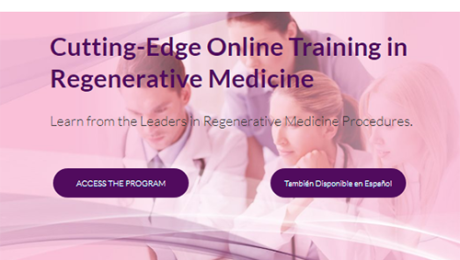
Global Stem Cells Group announces plans to launch its new, updated stem cell training platform during Jornadas Mediteraneas in Barcelona, Spain, May 11, 2018
MIAMI, April 2, 2018—Global Stem Cells Group will launch its new, updated online stem cell training platform and an online digital marketing course for aesthetic physicians at the Jornadas Mediteraneas conference in Barcelona, Spain, May 11, 2018.
Designed to provide physicians with a new stem cell medicine skills and tools they can use to treat patients in their medical practices. The platform includes new courses like Regenerative Medicine Protocols, available in English and Spanish and offering 16 hours of expert lectures and step-by-step video, footage designed for physician training,
Global Stem Cells Group developed the new online training platform in response to increased demand for regenerative medicine treatments for patient who are increasingly requesting their physicians to make stem cell protocols available.
Global Stem Cells Group’s certified online training platform has gained popularity among physicians who wish to make stem cell treatment protocols available at their practices, and need a training option for learning how to implement regenerative medicine techniques and protocols at their own pace, conveniently from home or office.
GSCG’s online training courses are conducted by stem cell and regenerative medicine experts at GSCG affiliate Stem Cell Training. Online coursework provides didactic lectures on regenerative medicine and scientifically validated protocols. Lecture topics include:
• Stem cell biology
• Regulatory environments for stem cell harvesting and transplantation
• Platelet-rich plasma
• Induced pluripotent stem cells
• cGMPs for stem cell therapies
• Embryonic stem cells
• Bone marrow stem cells
• Adipose-derived stem cells
• Harvesting and isolating adipose-derived stem cells
• Harvesting and isolating bone marrow stem cells
The online programs include training videos, training booklets, detailed protocols, and power point presentations with instructions and images for:
• Adipose extraction
• Adipose stem cell isolation
• Bone marrow stem cell isolation
• Platelet-rich plasma
• Patient forms and guidelines (including editable and non-editable confidential medical history for pre- and post-medical instruction, safety guidelines for harvesting adipose tissue, blood work request flyer and confirmation of treatment detailer)
• Sample informed consent forms (for adipose-derived stem cells, bone marrow-derived stem cells, and platelet-rich plasma)
Stem cell banking with flyers for physicians and patients, as well as stem cell banking requests for cryopreservation
• Stem cell training lecture notes
• Access to regenerative medicine experts
Physicians can also choose to combine the online coursework with one-on-one training provided by a regenerative medicine specialist.
GSCG is also making its new online digital marketing course, “Digital Marketing for Aesthetic Physicians” a comprehensive source for aesthetic practitioners available in both English and Spanish. Developed by GSCG CEO and medical marketing professional Benito Novas, the course offers valuable information on the latest marketing tools for managing an aesthetic medicine practice. Topics include social media strategies and tools for promoting physician practices and advise on designing Google and Facebook ads that generate targeted leads and engage new potential patients.
Digital marketing is critical to growing and maintaining a successful practice at a time where most audiences are searching for practitioners online. GSCG’s virtual coursework allows professionals in the aesthetic medicine field to learn the latest tools and strategies for attracting new patients on their own time and at their own pace from home or office.
The course also offers tips for using key content marketing strategies to build a practice. “Digital Marketing for Aesthetic Physicians” provides a valuable opportunity to learn about the most effective marketing resources and methods for growing an aesthetic medicine practice, including best practices for managing different advertising resources such as Facebook Ads and Google Ads.
To learn more about Global Stem Cells Group’s online training platform and digital marketing course for aesthetic practices, visit the Global Stem Cells Group website, email info@stemcellsgroup.com, or call +1305 560 5337.
About Global Stem Cells Group:
Global Stem Cells Group (GSCG) is a worldwide network that combines seven major medical corporations, each focused on furthering scientific and technological advancements to lead cutting-edge stem cell development, treatments, and training. The united efforts of GSCG’s affiliate companies provide medical practitioners with a one-stop hub for stem cell solutions that adhere to the highest medical standards.
Global stem cell’s mission is to be the largest recognized stem cell and regenerative medicine network in the world.
About Global Stem Cells Group:
Global Stem Cells Group (GSCG) is a worldwide network that combines seven major medical corporations, each focused on furthering scientific and technological advancements to lead cutting-edge stem cell development, treatments, and training. The united efforts of GSCG’s affiliate companies provide medical practitioners with a one-stop hub for stem cell solutions that adhere to the highest medical standards.
Global stem cell’s mission is to be the largest recognized stem cell and regenerative medicine network in the world.
Global Stem Cells Group new online training
- Published in Press Releases
